Category: Uncategorized

  • Buy Anapolon Online: Best Prices and Fast Shipping

    anapolon

    Buy Anapolon Online: Best Prices and Fast Shipping

    Mastering the A-Bomb: Dosage and Usage Scenarios

    Mastering Anapolon requires a solid grasp of how Oxymetholone works. This potent oral anabolic steroid drives rapid hypertrophy and strength gains by shifting your body’s internal chemistry. Most users cycle this compound for short bursts to maximize muscle mass while keeping side effects under control. Your protocol depends entirely on whether you want sheer size or functional strength.

    The Power of the A-Bomb

    In the underground bodybuilding community, people call Anapolon “the A-Bomb.” This isn’t just colorful slang. It refers to the explosive, almost violent speed at which it forces the body to pack on weight. It hits your system like a lightning strike, triggering massive nitrogen retention and increased red blood cell production.

    When you start a cycle, the changes feel sudden. You might notice your muscles looking incredibly “full” or “wet” within just a few days. This happens because the compound causes significant water retention and increased glycogen storage. It is a heavy-duty tool, often used by lifters who have hit a plateau elsewhere.

    While the results look impressive, you have to respect the potency. Because it works so quickly, it can also push your body to its limits regarding blood pressure and liver stress. Think of it as high-octane fuel; it will make the car go faster, but you must monitor the engine closely.

    Many people look toward various vendors like poseidonrx.com when researching high-quality sources for their supplement stacks. Finding reliable, tested products is the first step in any serious training regimen. You don’t want to be guessing what is actually inside your pills when the stakes are this high.

    Hypertrophy versus Strength Protocols

    If your main goal is pure mass, your approach will look different than a powerlifter’s. For hypertrophy—increasing muscle size—users often aim for consistent, moderate doses to keep the body in an anabolic state. The focus here is on high-volume training and massive caloric intake.

    Strength enthusiasts, however, use Anapolon to move heavy iron. For these athletes, the goal is neurological and muscular efficiency. They might use lower doses but pair them with heavy, low-rep sets. The goal is to leverage the increased red blood cell count to sustain incredible intensity during heavy lifts.

    Commonly seen protocols include:

    • Mass Building: 50mg to 100mg daily, often paired with a long-acting injectable base.
    • Strength Focus: Shorter, more intense bursts of 50mg daily to avoid excessive bloating.
    • Reversal Cycles: Using it during a “cut” to prevent muscle loss while in a deficit.

    The bottom line is that your training must match the chemical. If you take the A-Bomb but train like a casual jogger, you’re just going to get bloated and hold unnecessary water. You have to earn the gains by pushing the limits of your physical capacity.

    Combatting Muscle Wasting

    Beyond the gym, Oxymetholone serves a critical medical purpose in fighting sarcopenia. Sarcopenia is the age-related or disease-related loss of muscle mass and strength. For patients facing severe muscle wasting, such as those undergoing hemodialysis, this compound can be a lifesaver.

    Research suggests that the medication can significantly improve handgrip strength and overall muscle mass in clinical settings. It essentially forces the body to prioritize muscle protein synthesis even when the body is under extreme physiological stress. It turns the tide against the destructive nature of wasting diseases.

    For those interested in the clinical data, medical studies highlight how effective the compound can be for specific patient populations. It is a reminder that what is used for “gains” in the gym has deep, life-altering roots in clinical medicine.

    Cycling and Timing Your Intake

    You cannot run this compound indefinitely without risking your health. Most veterans suggest a “short and sharp” approach. A typical cycle might last only four to six weeks. This minimizes the strain on your liver and prevents your natural hormone production from crashing too deeply.

    Timing is everything when you want to squeeze every ounce of value from the pill. Many find that taking the dose with a meal helps with absorption and reduces the potential for stomach upset. Since it is an oral steroid, your body processes it quickly, making consistency the golden rule.

    Consider this breakdown for a standard cycle:

    Week 1-2 Acclimation phase; monitoring blood pressure and digestion.
    Week 3-5 Peak performance; maximum intensity in the weight room.
    Week 6 Tapering or transitioning into a Post-Cycle Therapy (PCT).

    Don’t forget the exit strategy. Once the cycle ends, your body needs help returning to a baseline. A solid PCT—a period of using medications to restart your natural testosterone production—is not optional. It is the difference between keeping your hard-earned muscle and losing it all in a week.

    Navigating the Market: Pricing and Global Availability

    Current market rates for Anapolon 50mg tablets generally range from $30 to $70 per bottle, depending on the vendor. Prices fluctuate based on whether you purchase single units or bulk quantities. While international suppliers offer various shipping options, your final landed cost will depend heavily on local customs fees and international freight rates.

    Finding a decent deal often feels like hunting for a needle in a haystack. You might find a low price that looks too good to be true, but remember that cheap can often be expensive in the long run. If a website’s price is drastically lower than the industry standard, proceed with extreme caution.

    I have seen many newcomers fall into the trap of chasing the absolute lowest price. They end up with counterfeit products that contain zero active ingredients. Instead, focus on finding a balance between a fair price and a proven track record. It is better to pay a little extra for peace of mind than to waste money on junk.

    What this means for you is that you need to look at the total investment. A bottle might only cost $40, but if the shipping fee is $30 and you get hit with a $20 customs tax, your “cheap” deal just became a premium expense. Always calculate the total cost before you hit that buy button.

    Evaluating Value and Supply

    When you look at international suppliers, you will notice that availability is quite high. Most major vendors ship globally, reaching almost every corner of the map. However, “global availability” doesn’t mean “guaranteed delivery.” You have to navigate the complexities of local postal regulations and the specific shipping methods used by the vendor.

    The most cost-effective way to source your supply is almost always through bulk ordering. Buying a single bottle is fine for a trial run, but the per-unit cost is significantly higher. If you know you are going to run a specific cycle, buying a pack of three or five bottles will save you a significant chunk of change.

    Let’s look at how the numbers actually stack up when you compare different buying strategies. Use this breakdown to visualize how much you can save by planning ahead rather than playing it by ear.

    Order Quantity Estimated Total Cost Price Per Bottle
    1 Bottle (Trial) $55 $55
    3 Bottles (Standard) $135 $45
    5 Bottles (Bulk) $195 $39
    10 Bottles (Wholesale) $320 $32

    Vetting Vendors for Safety

    The bottom line is that reputation is your most valuable currency in this market. You should never buy from a vendor just because they have a flashy website. Look for community feedback, third-party discussions, and consistent shipping timelines. A vendor that ignores customer questions is a massive red flag you should avoid.

    Verifying the legitimacy of a source is a skill you must master. Many reputable shops exist, but they are often crowded out by scammers. I always tell my peers to check if the vendor provides tracking numbers and has a clear return policy. If they hide their contact information, run the other way.

    Don’t let the fear of high prices drive you toward shady corners of the internet. A legitimate vendor might charge a premium because they use better packaging and more reliable couriers. It is better to pay for a package that actually arrives at your door than to send money into a void.

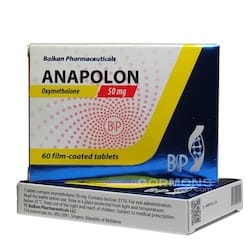
    Keep in mind that Anapolon is the brand name for oxymetholone, a potent oral steroid. Because it is a high-demand compound, supply chains can fluctuate. If you find a reliable source that meets your standards, it is often wise to stock up slightly to avoid sudden price hikes or availability gaps.

    Sourcing Reliable Anapolon 50mg Tablets

    To source reliable Anapolon 50mg tablets, you must prioritize vendors offering pharmaceutical-grade oxymetholone, which is the active chemical compound in the product. Look for specialized steroid warehouses that provide discrete, tracked worldwide shipping. Always verify product authenticity by checking packaging seals and tablet consistency upon arrival to ensure you are receiving genuine, high-quality medication.

    Identifying High-Quality Oxymetholone

    When you are hunting for the real deal, you need to look past the flashy marketing. High-quality oxymetholone—the potent anabolic steroid that makes Anapolon so famous—should have a very specific physical profile. Look for tablets with uniform color, a consistent weight, and no crumbling edges. If the pills look like they were pressed in a basement, walk away.

    Pharmaceutical-grade means the substance is pure and meets strict manufacturing standards. This is critical because “underground labs” or UGLs often produce batches that vary wildly in potency. One pill might be a powerhouse, while the next is nothing but chalk. You want consistency so your cycle remains predictable and your health stays protected.

    I often tell my friends to check the “feel” of the packaging. A legitimate product usually comes in a blister pack or a sealed bottle with clear, legible printing. If the label is blurry or the font looks off, it is a massive red flag. Don’t gamble with your progress by settling for anything less than top-tier quality.

    What this means for you is that you should look for vendors who are transparent about their manufacturing origins. While they might not name the exact lab, they should provide information that suggests a professional production environment. If a site feels like a basement operation, your risk of receiving a dud skyrockets.

    Navigating Logistics and Shipping

    Shipping can be a bit of a wild ride depending on where you are located. Most specialized warehouses offer worldwide delivery, but the timeline is rarely a straight shot. You might see options for express shipping that takes 7-10 days, or standard postal routes that can drag on for three to four weeks.

    I have seen guys get their orders stuck in customs for weeks because the paperwork wasn’t handled correctly. This is why choosing a vendor that understands international logistics is worth its weight in gold. They know how to package items to minimize the chance of a customs inspection, which keeps your delivery moving smoothly.

    When you are tracking your package, remember that “delivered” in the tracking software doesn’t always mean it is in your hands. Sometimes it just means it has arrived at your local sorting facility. Be patient, but also keep a close eye on those tracking numbers to ensure nothing goes sideways during the transit phase.

    The bottom line is that you should always factor in a buffer week when planning your cycle. If you are running out of your current supply, do not wait until the last pill is gone to reorder. Order your next batch at least two weeks before you actually need it to avoid any stressful gaps.

    The Advantage of Specialized Warehouses

    Why bother with specialized steroid warehouses instead of just using a general pharmacy? It comes down to discretion and expertise. These specialized shops understand that privacy is paramount for their clientele. They use professional, unmarked packaging that looks like something mundane, like vitamins or supplements, to ensure your business stays private.

    These warehouses are also experts at navigating the “grey areas” of international shipping. They have mastered the art of discrete shipping, meaning they know exactly how to label your package so it sails through customs without attracting unwanted attention. It is a level of sophistication that general retailers simply do not possess.

    Using a specialist also gives you access to a wider variety of products. If you are looking for anadrol online or other specific compounds, a dedicated warehouse is much more likely to have them in stock. They cater specifically to the needs of the community, making them a one-stop shop for your requirements.

    However, do not let the convenience blind you to the risks. Just because a warehouse is specialized doesn’t mean it is bulletproof. You still need to do your homework on their specific reputation and ensure they have a history of successful deliveries to your specific country or region.

    Verifying Your Order Upon Arrival

    Once that package finally lands on your doorstep, the real work begins. You cannot just rip the box open and assume everything is perfect. First, inspect the outer packaging for any signs of tampering, moisture, or damage. If the box looks like it went through a washing machine, you have a problem.

    Once you get into the actual product, perform a physical inspection. As we discussed earlier, the tablets should be uniform. If you notice any discoloration or if the tablets feel “sticky,” do not use them. This can be a sign of improper storage or poor manufacturing quality that could be dangerous.

    I always suggest a “test run” with a small amount if you are switching to a new vendor. Use one or two tablets and see how your body reacts. If you experience unusual side effects that differ from your previous experience, it might be time to re-evaluate the quality of that specific batch.

    Keep a log of your orders, including the vendor, the price, and the date. If you encounter an issue, you will have all the data you need to file a dispute or a complaint. Being organized is your best defense against being burned by a bad batch of medication.

    Understanding Brand Variations

    When you browse online, you will notice different names and labels on Anapolon containers. This can be incredibly confusing. Some labels are the official brand names, while others are generic versions of oxymetholone. It is vital to understand that while the active ingredient should be the same, the fillers and binders can differ.

    Some brands might market themselves as “premium” or “ultra-pure.” While this sounds great, it is often just marketing fluff. The real difference usually lies in the quality of the manufacturing facility and the purity of the raw powder used to create the tablets. A $50 bottle from a reputable brand is often better than a $30 bottle from a questionable one.

    Here is a quick way to look at the common ways brands are categorized online:

    Brand Type Common Characteristics Risk Level
    Official Pharmaceutical Strictly regulated, highly consistent, higher price. Very Low
    Reputable Underground Consistent quality, good pricing, widely used in communities. Low to Moderate
    Generic/Unbranded Inconsistent potency, very cheap, high variability. High

    The bottom line is that you are paying for certainty. If you have the budget, stick to brands that have a long-standing reputation in the community. You are not just buying a pill; you are buying the peace of mind that comes with knowing exactly what is going into your bloodstream.

    The Science of Oxymetholone and Muscle Strength

    Oxymetholone works by significantly increasing nitrogen retention and accelerating protein synthesis within the muscle tissue. This biochemical shift facilitates rapid increases in both lean muscle mass and physical power, specifically improving handgrip strength. Clinical observations suggest it is highly effective for reversing muscle wasting in patients facing severe atrophy or chronic illness.

    Think of your body like a construction site. To build a skyscraper, you need more than just workers; you need a constant, massive influx of bricks. Oxymetholone acts like a high-speed delivery service for those bricks, ensuring your cells have everything they need to build new muscle tissue around the clock.

    At a cellular level, this compound enters the bloodstream and binds to androgen receptors. Once inside, it signals the DNA to ramp up protein synthesis, which is the process where your body creates new proteins to build muscle. It essentially flips a switch that tells your body to stop breaking down tissue and start building it.

    What this means for you is a profound shift in your body’s internal chemistry. By flooding the system with signals to grow, it overcomes the natural limits of your current physique. It is not just about looking bigger; it is about fundamentally changing how your body utilizes the nutrients you consume daily.

    Clinical Observations and Strength Gains

    When doctors look at the data, the results are hard to ignore. Clinical studies, such as those examining muscle mass and strength, show that patients often experience a notable jump in handgrip strength. This is a key metric used to measure total muscular force and overall physical vitality.

    In medical settings, oxymetholone is frequently utilized to combat sarcopenia, which is the progressive loss of muscle mass and strength often seen in elderly or chronically ill individuals. For someone struggling with wasting, this isn’t just a supplement; it’s a vital tool to reclaim their physical independence.

    It is fascinating to see how quickly the body responds to this stimulus. While a natural trainee might spend months grinding for a small increase in power, the pharmacological intervention targets the very mechanism of growth. The biological “floor” of your strength is essentially raised through this hormonal assistance.

    However, do not confuse these medical benefits with effortless gains. The strength increases observed in clinical settings are a result of the body being forced into a hyper-anabolic state. It is a powerful biological lever that, when pulled, forces the body to perform far beyond its baseline capacity.

    Weight Gain vs. Lean Muscle Accrual

    One of the biggest “gotchas” for newcomers is the difference between scale weight and actual muscle. Oxymetholone is famous for causing rapid weight gain, but you need to understand why. It significantly increases water retention and glycogen storage within the muscle cells themselves.

    This can be a double-edged sword. On one hand, your muscles look incredibly “full” and tight. On the other hand, a significant portion of that weight on the scale is water, not solid muscle fiber. If you aren’t careful with your diet, you might end up looking bloated rather than shredded.

    To get the most out of the compound, you have to focus on lean muscle accrual. This means providing the body with the raw materials—protein and healthy fats—to actually build the tissue. If you just eat junk, you’ll just gain fat and water weight, which is a waste of a powerful tool.

    Pro tip: Watch your blood pressure closely. Because of the way oxymetholone manages fluids, the rapid weight gain can often be accompanied by a spike in blood pressure. Monitoring this is crucial if you want to keep your gains healthy and sustainable over the long term.

    Nitrogen Retention and Protein Synthesis

    To understand why oxymetholone is so potent, you have to understand nitrogen. Nitrogen is a primary component of amino acids, which are the building blocks of protein. When your body is in a “positive nitrogen balance,” it means you are keeping more nitrogen than you are losing.

    Oxymetholone is a master at forcing the body into this positive state. By maximizing nitrogen retention, it ensures that every gram of protein you eat is being funneled toward repairing and growing muscle fibers rather than being burned off as wasted energy.

    The bottom line is that this compound creates a massive anabolic environment. It turns your body into a sponge for nutrients. This is why the effects are felt so much faster than other oral steroids; you are essentially hacking the body’s most fundamental growth mechanism.

    Here is a quick breakdown of the physiological shifts occurring during use:

    Process Biological Action Result
    Nitrogen Retention Prevents the breakdown of amino acids. Increased muscle protein synthesis.
    Glycogen Storage Increases glucose uptake in muscles. Increased muscle fullness and energy.
    Water Retention Causes intracellular fluid shifts. Rapid increase in scale weight.

    Logistics and Stealth Shipping Protocols

    Navigating the delivery of anapolon requires understanding two distinct paths: domestic shipping within the USA and international transit. Domestic orders typically arrive within 3-7 business days via standard carriers, while international shipments may take 2-4 weeks. Reliable vendors utilize discrete, unbranded packaging to ensure your privacy remains protected during every stage of the transit process.

    Think of the shipping process like a quiet handoff in a crowded room. If you are ordering within the USA, you’re looking at a much smoother, faster ride. Domestic logistics benefit from established infrastructure, meaning your package won’t spend weeks sitting in a customs warehouse. It’s the difference between a quick sprint and a long-distance marathon.

    When you step into the realm of international shipping, things get a bit more complex. You are essentially crossing borders, which means your package must pass through various regulatory checkpoints. It’s not necessarily a reason to panic, but it does require a bit more patience. You might see your tracking status sit idle for a few days while it clears customs.

    The bottom line is that speed depends on the destination. If you are right next door, you’ll see movement quickly. If you are halfway across the globe, you need to prepare for a slower pace. Always check the vendor’s specific shipping policy before you pull the trigger on your order to avoid any surprises.

    Discrete Packaging and Privacy Measures

    Privacy is the cornerstone of a professional vendor’s operation. You don’t want a package arriving at your doorstep with “Anapolon” or “Oxymetholone” printed in giant letters on the side. That is a recipe for awkward conversations with neighbors or housemates. Instead, top-tier vendors use what we call “stealth packaging.”

    This involves using neutral, plain outer boxes or padded envelopes that look like any other mundane e-commerce delivery. Often, the return address will use a generic name rather than a pharmaceutical label. They might even include a “decoy” item—something totally unrelated, like a cheap t-shirt or a plastic toy—to throw off any casual inspection.

    What this means for you is that your business stays your business. You can receive your package with total confidence, knowing that the contents are shielded from prying eyes. It is a standard industry practice designed to protect the consumer’s anonymity. If a vendor can’t explain their stealth protocol, that’s a red flag you should take seriously.

    A pro tip for the cautious: always check the weight of the package if you’re worried. If you order a small bottle of tablets but the tracking says it weighs 2 pounds, someone might have added a heavy decoy item. It’s a clever way to mask the true nature of the shipment without raising suspicion.

    Transit Times and Tracking Strategies

    Timing is everything when you are trying to maintain a consistent cycle. If you run out of your supply because a shipment got stuck, it can disrupt your progress. Most expedited shipping services for domestic orders will get you your goods in about 3-5 business days, usually via standard air mail.

    If you are looking for the fastest route, always opt for the premium shipping tier during checkout. While it might cost an extra $15 to $30, the peace of mind is often worth the investment. You want to avoid that “waiting by the mailbox” anxiety that comes with the cheapest, slowest shipping options available.

    Tracking your package is your best defense. Don’t just rely on the vendor’s website; use third-party tracking tools to see real-time updates from the carrier. If you see a “held in customs” status, don’t lose your cool. It is a common part of the process and often resolves itself within a few days without any action needed.

    Here is a quick look at what to expect regarding delivery windows:

    Shipping Type Estimated Time Likely Carrier
    Domestic Express 3-5 Days FedEx / UPS
    Domestic Standard 5-10 Days USPS
    International 2-4 Weeks Global Postal

    Troubleshooting Shipment Delays

    Sometimes, things just go sideways. Maybe a storm hit a major sorting hub, or perhaps the package took a wrong turn in the logistics chain. If your tracking hasn’t updated in over a week, the first step is to reach out to the vendor. Most reputable pharmaceutical suppliers will have a dedicated support team to help you navigate these hiccups.

    Don’t go into the conversation being aggressive; instead, be the “helpful peer.” Ask them if they can verify the shipping address or if they can provide a new tracking number. Often, the issue is simply a glitch in the carrier’s system, and a little nudge from the sender can get things moving again quickly.

    If a package is marked as “delivered” but you don’t see it, check with your neighbors or around your porch first. It’s incredibly common for carriers to mark a package as delivered a day before it actually arrives. If it still turns up missing, file a claim with the carrier immediately to start the recovery process.

    The bottom line is to stay proactive. If you notice a delay, don’t just sit there and hope it magically appears. Take action, document your communication with the vendor, and keep your cool. Most minor shipping issues are resolved through a simple, polite inquiry to the person who sent the package.
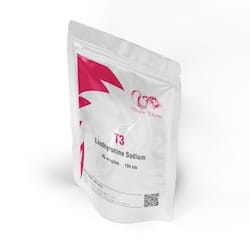
  • Buy T3 Online: Best Prices and Fast Shipping Today

    t3

    Buy T3 Online: Best Prices and Fast Shipping Today

    Navigating T3 Dosage and Cycling Strategies

    Managing T3, or triiodothyronine, requires precision. You want to avoid hyperthyroidism, a state where your thyroid activity goes into overdrive. Successful strategies often start with micro-doses, around 25mcg, and then you adjust based on how your metabolism actually responds.

    Most users employ cycling patterns to prevent the thyroid from shutting down its own natural production. This step is essential for your long-term health. If you don’t give your body a break, you’re essentially asking your natural endocrine system to go on a permanent vacation.

    Think of your metabolism like a campfire. If you dump a whole log on it all at once, you’ll get a massive flare-up that burns everything in its path. T3 is the accelerant. If you use too much, too fast, you’ll deal with heart palpitations, tremors, and sweating that feels like a fever.

    I always tell my peers to start small. You aren’t trying to win a sprint; you are trying to maintain a steady burn. Most people find success by starting at 25mcg per day and gradually increasing it only if their body signals a plateau in fat loss or energy.

    What this means for you is that patience is your best friend. Jumping into high doses immediately is a recipe for disaster. You want to find that “sweet spot” where your body feels warm and energetic, but your heart isn’t racing like you just drank ten espressos.

    The Importance of Cycling

    Your body loves homeostasis, meaning it wants to stay exactly as it is. When you introduce exogenous T3—the synthetic thyroid hormone produced in a lab—your natural thyroid gland might decide to stop working. This is known as HPT axis suppression.

    To prevent this, many athletes use cycling. This involves taking the substance for a set period, such as six to eight weeks, followed by a “washout” period. During this break, your natural endocrine system recovers. It’s like taking a breather during a long hike to ensure you don’t collapse.

    If you skip the cycle, you might find yourself feeling sluggish and gaining weight even while eating less. This happens because your natural production has stalled. You have to respect the biology of the endocrine system to get the results you actually want without the crash.

    Some people prefer an “on-off” approach, while others prefer a “tapering” method. Tapering involves slowly reducing the dose over two weeks before stopping entirely. This gentle exit strategy helps prevent the sudden metabolic drop-off that often leads to rapid fat regain.

    Dosage and Monitoring Protocols

    When you are looking at different vendors, you might see various price points. A standard 30-count bottle of T3 might cost around $30 to $50 depending on the purity. It is vital to source from reputable places like poseidonrx.com to ensure you aren’t buying junk.

    I suggest keeping a detailed log. Track your resting heart rate, body temperature, and daily calories. If your resting heart rate jumps by more than 10 beats per minute, you are likely over-dosed. It is a clear, physiological red flag that you need to scale back.

    You should also monitor your bloodwork. Checking TSH (Thyroid Stimulating Hormone) and Free T3 levels via a lab is the only way to know for certain what is happening under the hood. Don’t guess with your hormones; use data to guide your path.

    Protocol Type Typical Duration Primary Goal
    Standard Cycle 6-8 Weeks Fat Loss / Metabolic Boost
    Tapering Cycle 10-12 Weeks Minimizing Side Effects

    If you feel the urge to push harder because the scale isn’t moving, stop. Often, the issue isn’t the dose, but the lack of protein or sleep. The Mayo Clinic provides excellent resources on how thyroid imbalances affect overall health and metabolic function.

    The bottom line is that T3 is a powerful tool, not a magic pill. Treat it with respect. If you approach it with a mindset of “slow and steady,” you will achieve much better aesthetic results than the person trying to force the issue through sheer volume.

    Market Pricing and Cost Breakdown

    T3 pricing typically ranges from $1.00 to $3.00 per dose depending on the source and purity. Most users find that purchasing larger quantities, such as 100-count bottles, offers the best value. However, the real cost often includes the necessity of regular bloodwork to monitor thyroid levels and ensure safety.

    Navigating Vendor Pricing Models

    When you start shopping around, you will notice a massive gap between “budget” options and premium pharmaceutical-grade supplies. Cheap, unverified powders are a gamble that can lead to inconsistent dosing. Since T3 is measured in micrograms, even a tiny error in manufacturing can turn a standard dose into a dangerous overdose.

    I have seen many people try to save a few bucks by buying from shady marketplaces. This is a massive mistake. You aren’t just paying for the substance; you are paying for the peace of mind that comes with lab-tested purity. High-quality vendors often charge a premium because they provide third-party testing results.

    What this means for you is that you should view T3 as a specialized tool rather than a commodity. If a deal looks too good to be true, it almost certainly is. It is better to pay $50 for a reliable, tested bottle than to spend $20 on something that might contain fillers or incorrect concentrations.

    Think of it like buying car parts. You can get a cheap, knock-off sensor for your engine, or you can buy the OEM part. The knock-off might work for a week, but eventually, it will cause a breakdown that costs you ten times more in repairs. Don’t play games with your endocrine system.

    Comparing Common Purchasing Options

    To help you budget, I have put together a quick comparison of how different quantities and quality tiers usually look on the market today.

    Quantity / Tier Estimated Cost Best For
    30-Count (Trial) $45 Testing tolerance
    100-Count (Standard) $120 Full 8-week cycle
    Bulk (500+ Count) $450 Long-term users
    Premium Lab-Tested $180 Maximum safety

    The Hidden Costs of Use

    The price tag on the bottle is only half the story. You must account for the “lifestyle costs” that come with using exogenous hormones. This includes the extra calories you might need to consume to prevent muscle wasting and the supplements required to support your body during a cycle.

    You should also factor in the cost of medical consultations and blood tests. I always tell my peers that if you aren’t willing to pay for a lab panel, you shouldn’t be playing with T3. You need to know your TSH levels to ensure you aren’t accidentally driving your metabolism into the ground.

    The Mayo Clinic offers deep insights into how thyroid dysfunction impacts your long-term health. Understanding these risks is part of the “cost” of being a responsible user. Knowledge is an investment that prevents expensive medical bills down the road.

    The bottom line is that your budget should reflect your commitment to safety. Don’t just look at the sticker price; look at the total investment required to use the substance safely and effectively. A cheap mistake is the most expensive one you will ever make.

    Shipping Logistics and Cold Chain Requirements

    Shipping T3 requires strict temperature control, often called cold chain logistics, to prevent chemical degradation. Most high-quality T3 must be kept between 36°F and 46°F during transit. If the package sits in a hot delivery truck or a freezing warehouse, the active hormone may lose its potency before it even reaches your doorstep.

    The Science of Thermal Stability

    When we talk about cold chain, we are talking about an uninterrupted series of temperature-controlled environments. Think of it like a relay race where the baton is the temperature. If the chain breaks—say, if a courier leaves your package on a sunny porch—the T3 molecule can undergo a structural change. This makes the dose unpredictable.

    I have seen people get frustrated because their results don’t match their expected metabolic boost. Often, the culprit isn’t the dose itself, but a compromised shipment. If the material has been “baked” in a hot shipping container, you might be taking a pill that is essentially just expensive, inert filler. It is a frustrating waste of money.

    To avoid this, look for vendors who use insulated packaging and specialized gel packs. These materials act as a thermal buffer, absorbing heat or cold to keep the internal environment stable. If a supplier tells you that “standard shipping” is fine for any temperature, take that as a massive red flag. They are cutting corners at your expense.

    What this means for you is that you need to be proactive. When your package arrives, do not let it sit in the mailbox. Bring it inside immediately and check the condition of the cooling elements. If the gel packs are completely melted or the bottle feels warm to the touch, you should contact the vendor immediately.

    Tracking and Transit Risks

    Logistics isn’t just about temperature; it is about speed and visibility. You want “real-time tracking,” which is a digital monitoring system that shows exactly where your package is at every moment. This allows you to prepare for its arrival and ensures it doesn’t sit in a stagnant, unmonitored distribution center for too long.

    I always suggest opting for expedited shipping, even if it costs an extra $20 or $30. It might feel like a sting to your wallet initially, but the risk of a standard $100 shipment being ruined by a three-day delay in a hot warehouse is far higher. Think of it as an insurance policy for your metabolic health.

    The bottom line is that you are paying for a service, not just a product. A premium vendor will use specialized couriers who understand how to handle sensitive biological materials. If you are buying from a source that uses the cheapest, slowest shipping method available, you are essentially gambling with the integrity of your supply.

    Here is a quick checklist for when your shipment arrives:

    • Check the integrity of the seal to ensure no tampering occurred.
    • Verify that the insulation (Styrofoam or bubble wrap) is intact.
    • Ensure the gel packs are still cold or at least haven’t reached ambient temperature.
    • Confirm the batch number on the bottle matches your tracking documentation.

    If you have any doubts about the stability of the shipment, it is better to be safe than sorry. You can find more information on how thyroid medications are typically handled through the Mayo Clinic. Understanding the biological sensitivity of these hormones will help you make better decisions about your sourcing.

    The real cost of a shipment isn’t the shipping fee; it is the cost of a failed dose. If you end up with a degraded product, you might inadvertently lower your dose or, worse, find that your levels become erratic. Always prioritize the logistics of the delivery as much as the purity of the substance itself.

    T3 vs T4: The Synergistic Relationship

    T4, or thyroxine, acts as a long-lasting storage hormone, while T3, known as triiodothyronine, is the active form that drives metabolic processes. T4 serves as a precursor that the body must convert into T3 to trigger cellular activity. They work together to ensure your metabolism remains stable and responsive to your body’s immediate energetic demands.

    The Conversion Mechanism

    Think of T4 as a large, slow-burning log in a fireplace and T3 as the bright, dancing flames. The log provides a steady, long-term heat source, but it doesn’t produce much immediate light or intense warmth on its own. You need the fire to actually burn that log to get the instant heat you crave.

    In biological terms, your body uses enzymes called deiodinases to strip an iodine atom from T4, turning it into T3. This conversion process is the “spark” that turns a dormant hormone into a functional powerhouse. If your body struggles with this conversion, you might have plenty of T4 circulating but still feel sluggish and tired.

    I have seen many people struggle with fatigue despite having “normal” T4 levels on their lab reports. This is often because the conversion process is hitting a bottleneck. It’s like having a massive warehouse full of raw materials but no workers to assemble the finished product. You have the potential energy, but no actual movement.

    What this means for you is that looking at T4 alone provides an incomplete picture of your metabolic health. You need to understand how these two hormones interact within your specific system. If you are supplementing with T3, you are essentially bypassing that conversion step to deliver the “flame” directly to your cells.

    Comparing Key Characteristics

    Understanding the fundamental differences can help you navigate your health journey more effectively. While they are part of the same family, their roles in your daily life are vastly different. One provides the foundation, while the other provides the immediate impact on your metabolic rate.

    The table below breaks down the primary distinctions between these two essential thyroid hormones:

    Feature T4 (Thyroxine) T3 (Triiodothyronine)
    Potency Lower metabolic impact High metabolic impact
    Half-Life Long (approx. 6-7 days) Short (approx. 1 day)
    Primary Role Stable storage/precursor Active metabolic driver

    The bottom line is that balance is everything. Relying too heavily on one without the other can lead to a roller coaster of energy levels. If you find your levels swinging wildly, it might be a sign that your body is struggling to manage the transition from storage to active use.

    Practical Implications of the Duo

    When you are managing your levels, you aren’t just looking at a single number on a piece of paper. You are looking at a delicate dance of chemical signaling. If you are considering exogenous T3, you are stepping directly into that dance, which requires precision and careful timing.

    I often tell my peers that supplementing with T3 is like adding high-octane fuel to an engine. It can make things run much faster and more efficiently, but if you add too much too quickly, you might blow a gasket. The synergy depends on your body’s ability to process that rapid spike without overshooting your target.

    If you’re feeling jittery or your heart is racing, you might be experiencing the “T3 spike” that occurs when the active hormone hits your system too fast. This is a common side effect when the ratio between T4 and T3 is out of whack. It’s a signal from your body that the “flame” is burning too hot for the “log” to handle.

    Always listen to these subtle cues from your own biology. A seasoned pro knows that more is not always better; sometimes, the goal is simply to find that “sweet spot” where your energy feels steady and your metabolism feels consistent throughout the day. It’s about finding rhythm, not just speed.

    Optimizing Your Daily Administration Routine

    To optimize your T3 administration, take the hormone with food to prevent stomach upset and maintain consistent timing to avoid energy spikes. Because T3 has a short half-life, splitting your dose into two smaller portions throughout the day can help stabilize metabolic levels and prevent the uncomfortable jitters often associated with sudden hormone surges.

    Timing and Absorption

    Timing is everything when you are managing exogenous T3, which is a synthetic version of the active thyroid hormone. If you take your dose on an empty stomach, you might experience significant nausea or gastric distress. I have seen many people struggle with digestive upset simply because they treated their medication like a vitamin rather than a potent metabolic driver.

    A common mistake is taking your entire dose at once in the morning. While this might seem efficient, it often leads to a massive metabolic spike that leaves you feeling anxious or shaky by noon. Think of it like drinking a double espresso on an empty stomach; the initial rush is intense, but the subsequent crash can be brutal.

    The bottom line is that consistency creates stability. Your body craves a predictable rhythm. If you decide to split your dosage, try to do so at the same times every single day. This helps prevent the “roller coaster” effect where your energy levels swing wildly between being hyperactive and completely exhausted.

    What this means for you is that your breakfast timing becomes a critical part of your protocol. If you prefer a late breakfast, your dosing schedule must shift accordingly. You want to align your peak hormone levels with the times of day when you actually need the most metabolic support to get through your tasks.

    Managing Side Effects and Dosages

    When you are fine-tuning your routine, you must keep a close eye on your heart rate and temperature. T3 is a powerful stimulant to your metabolic engine. If you start feeling “wired but tired,” it is a classic sign that your dosage might be slightly too high or your timing is off-kilter.

    I often suggest keeping a simple log to track how you feel two hours after each dose. This isn’t about being obsessive; it’s about gathering data on your unique biological response. Everyone’s sensitivity to triiodothyronine—the active hormone—is different, and what works for one person might feel like a lightning bolt to another.

    If you experience heart palpitations, it is time to step back and consult a professional. Never attempt to “power through” a racing heart. The goal of supplementation is to restore function, not to force your body into a state of constant hyper-metabolism. Precision is your best friend in this delicate balancing act.

    Check the thyroid foundation for more information regarding standard hormone management practices and clinical guidelines. Understanding the baseline medical perspective can help you have more productive conversations with your healthcare provider about your specific titration needs.

    Cost and Resource Planning

    Staying consistent with your routine requires more than just discipline; it requires a budget. Prices can vary significantly depending on whether you are sourcing from a specialized compounding pharmacy or a standard retail provider. You should always factor in the cost of regular blood work to ensure your routine remains safe.

    The following table provides a rough estimate of what you might expect to spend on various components of a thyroid management routine in the current market:

    Item Estimated Monthly Cost Purpose
    T3 Medication $40 – $120 Primary hormone replacement
    Lab Work (TSH/T3/T4) $150 – $300 Monitoring metabolic status
    Supplements (Selenium/Zinc) $25 – $50 Supporting conversion enzymes

    The bottom line is that your routine is an investment in your long-term vitality. While the upfront costs of testing and high-quality medication might seem steep, they are much cheaper than the cost of managing the complications of an unmonitored, imbalanced endocrine system.

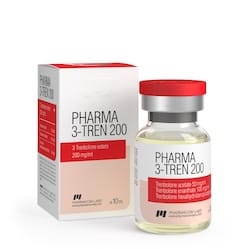
  • Buy High-Quality Tri Tren Online at Best Prices

    tri tren

    Buy High-Quality Tri Tren Online at Best Prices

    Mastering the Tren Cycle

    Mastering a Trenbolone cycle is all about finding the balance between the quick hit of Acetate and the steady presence of Enanthate. Most people aim for weekly doses between 150mg and 400mg when cutting, often bringing in Masteron to sharpen up their look. Getting your timing right and tapering your dose carefully is the only way to avoid a total hormonal crash.

    Think of your cycle like a high-performance engine that needs precise tuning. If you slam the pedal to the floor without checking the oil first, you’ll blow a gasket before you even reach the finish line. Trenbolone is the most powerful tool in your kit, but it is a double-edged sword that demands respect.

    When you pick your base, you have to look closely at the ester. This chemical chain determines how fast the hormone enters your bloodstream. Acetate is a short ester, meaning it hits fast and leaves fast. It works wonders if you need a short, intense burst of definition.

    Enanthate works differently because it is a long-acting ester. It stays in your system much longer, which provides a much smoother, more stable hormone level in your blood. This stability is a lifesaver for avoiding those jagged mood swings that often come with the shorter version.

    Choosing Your Dosage and Ester

    When you are in a cutting phase, you want to strip away body fat while holding onto every ounce of muscle you’ve worked for. Most seasoned lifters aim for a weekly dose between 150mg and 400mg. Pushing higher than that is like playing with fire in a room full of gasoline.

    Your “sweet spot” depends heavily on how much experience you have under your belt. A beginner might find success staying at the lower 150mg end, while an advanced athlete might push toward 400mg. Listen to your body here. If your sweat starts smelling like chemicals, you are likely overdoing it.

    The following table shows how these esters typically behave during a standard eight-to-twelve week cutting cycle:

    Ester Type Onset Speed Common Use Case Half-Life
    Acetate Rapid (1-3 days) Short, intense cuts Short (approx. 1-2 days)
    Enanthate Slow (7-10 days) Sustained fat loss Long (approx. 7-10 days)

    I have seen guys spend a small fortune on high-quality gear from poseidonrx.com or other vendors, but the best gear won’t fix a bad plan. You need to decide if you want the “spike and crash” of Acetate or the steady grind of Enanthate before you commit to a single vial.

    Managing the Crash and Ancillaries

    The “crash” is that sudden, heavy drop in hormone levels once you stop. It feels like a thick fog rolling in over your motivation and libido. To avoid this, don’t just stop cold turkey. You should taper your dose down slowly over a two-week period.

    This gradual reduction gives your natural production a chance to wake up slowly. If you drop from 300mg to zero overnight, you are asking for trouble. It is like slowing down a speeding car; you don’t just slam on the brakes and hope for the best.

    Many lifters find that Trenbolone can leave them looking “soft” due to water retention or inflammation. This is where Masteron, or Drostanolone, comes in. Masteron is a DHT-derived derivative that acts as a mild anti-estrogen, helping to bring out that grainy, hard look.

    Adding Masteron to your stack can act as a buffer. It helps maintain a dry, aesthetic physique even when the Tren is working hard. It is like adding fine-grit sandpaper to your process; it smooths out the edges and polishes the final result. For more on endocrine health, this medical study offers deep insights into hormone management.

    What this means for you is a much more controlled environment. By combining the strength of Tren with the drying effects of Masteron, you create a synergy that focuses on aesthetics. Just remember: the goal is to look like a statue, not to end up in a hospital bed.

    Navigating the Cost of Performance

    Expect to pay between $40 and $100 per 10ml vial for high-quality Trenbolone. Your total investment for an eight-week cycle includes the primary hormone plus the essential cost of ancillary medications, such as anti-estrogens and post-cycle therapy, which can significantly increase the overall financial commitment required for a safe protocol.

    Don’t let a low price tag trick you into thinking cheap is better. In this market, you are paying for peace of mind. A vial that costs $40 might be heavily diluted or even contaminated, leaving you with nothing but side effects and empty pockets. You want purity, not a gamble.

    The reputation of a lab is everything. High-end labs invest heavily in third-party testing to ensure their product matches the label. While this pushes their prices toward the $100 mark, it ensures you aren’t injecting impurities that could do real damage to your health.

    Price fluctuations often come from how complex the synthesis process is. High-purity Trenbolone requires meticulous refinement to ensure the ester is stable. If a vendor’s price seems too good to be true, it usually is. I have seen many lifters lose money on “bargain” gear that was essentially flavored oil.

    Calculating Your Total Investment

    When you sit down to budget, don’t just look at the price of the Trenbolone. That is like looking at the price of a car without considering the fuel, insurance, and maintenance. A standard eight-week cycle requires a structured approach to both the primary compound and the support system.

    You will likely need multiple vials to cover your weekly injections. If you are running a moderate dose, you might go through two or three 10ml vials. When you add the cost of ancillary medications, your “budget” can easily double. It is a significant commitment that requires careful planning.

    The following breakdown illustrates how different dosing strategies impact your wallet over a two-month period:

    Cycle Strategy Estimated Vials Primary Cost Total Est. Cost
    Light/Beginner 2 Vials $120 $210
    Moderate/Standard 4 Vials $240 $380
    Advanced/Heavy 6 Vials $360 $550

    The bottom line is that your budget must account for the “hidden” costs. These are the items that keep you healthy while the Trenbolone does the heavy lifting. If you ignore these, you’re essentially driving a race car without a parachute.

    The Hidden Costs of Support

    Ancillaries are the supporting cast that keeps your body’s internal ecosystem from collapsing. This includes anti-estrogens like Arimidex to manage estrogen levels, and various supplements to protect your organs. You cannot run a high-intensity cycle without these safety nets in place.

    Post-Cycle Therapy, or PCT, is another non-negotiable expense. PCT involves medications like Clomid or Nolvadex designed to jumpstart your natural testosterone production once the cycle ends. Skipping this step is like winning a sprint but breaking your legs in the process; the victory isn’t worth the damage.

    You might also need to invest in blood work. Getting your levels checked before and after a cycle is the only way to truly know how your body is responding. It is a small price to pay compared to the long-term cost of endocrine dysfunction or organ stress.

    Think of these extra costs as an insurance policy. You don’t want to be halfway through a cycle only to realize you can’t afford the medications required to stay safe. Plan for the full scope of the journey, from the first injection to the final week of PCT.

    Sourcing and Logistics

    Sourcing Trenbolone requires navigating high-risk markets where unregulated third-party vendors often provide contaminated or diluted products. To ensure safety, prioritize labs that offer verified independent lab testing, utilize discreet shipping protocols to maintain package security, and understand that international orders typically face longer transit times and higher customs scrutiny compared to domestic shipments.

    Buying from a random vendor on a forum is like walking into a dark alley in a foreign city; you never truly know what is waiting for you. Unregulated vendors operate outside the law, meaning they have zero accountability if their product is bunk or, worse, contains heavy metals.

    These “basement labs” often skip the crucial step of sterile filtration. When a product is poorly manufactured, you aren’t just injecting a hormone; you are injecting bacteria or particulate matter. This can lead to abscesses, infections, or systemic issues that far outweigh any aesthetic gains you might achieve.

    The bottom line is that “cheap” is the most expensive way to buy gear. If a vendor cannot provide verifiable proof of their manufacturing standards, they are essentially asking you to play Russian roulette with your endocrine system. Always prioritize stability and transparency over a low price tag.

    Verifying Product Legitimacy

    You cannot simply take a vendor’s word for it. In the world of high-end performance, “trust me, bro” is not a valid quality control metric. To know what is actually inside that vial, you need to demand third-party lab testing results, often referred to as COAs (Certificates of Analysis).

    A COA is a document from an independent, neutral laboratory that confirms the concentration and purity of the substance. If a lab claims their Trenbolone is 75mg/ml, the COA should prove that the concentration is exactly that, with minimal impurities. If they refuse to show these, run the other way.

    Look for labs that use HPLC (High-Performance Liquid Chromatography) testing. This is the gold standard for identifying the specific chemical components in a sample. It separates the active ingredients from the solvents and contaminants, providing a clear “fingerprint” of the product’s true contents.

    I’ve seen guys spend hundreds of dollars on “premium” gear only to find out via independent medical studies that their specific batch was mostly vegetable oil. Don’t be that guy. Make the lab work for you before you ever pull the trigger on a large order.

    Shipping and Package Security

    When you finally decide to pull the trigger, your main concern shifts to logistics. You want your package to arrive without drawing any unwanted attention. This is where “discreet shipping” comes into play, meaning the vendor uses plain, nondescript packaging that looks like ordinary household goods or supplements.

    A professional vendor will use vacuum-sealed bags to prevent leaks and scent detection. They should also use “decoy” labels—standard shipping labels that don’t mention anything related to hormones or performance enhancers. If the box looks like it contains a cheap t-shirt or a book, you’ve won half the battle.

    The risk profile changes significantly depending on where your order is coming from. Domestic orders are generally much safer and faster, often arriving within 3 to 7 business days via standard mail. International orders, however, are a different beast entirely. They can take weeks and face much higher scrutiny.

    Expect international shipments to sit in customs for anywhere from 10 to 30 days. During this time, there is always a non-zero risk of seizure. If you go the international route, ensure the vendor provides a tracking number that is actually functional, as “lost” packages are a common tactic for dishonest sellers.

    To keep things smooth, follow these logistics rules of thumb:

    • Always use a secure, private email address for communication.
    • Never use your real name on the shipping address; use an alias.
    • Pay with methods that offer high levels of buyer protection.
    • Never, ever use your primary bank card; use a virtual card or crypto if possible.

    Managing the Side Effect Profile

    To manage Trenbolone side effects, you must proactively monitor blood pressure, lipids, and hormone levels while addressing neurological or respiratory symptoms. Success requires a combination of frequent medical testing, lifestyle adjustments to combat insomnia, and the strategic use of ancillary compounds to keep estrogen and prolactin in check.

    I’ve seen many lifters treat their bodies like a science experiment without a safety protocol. They chase the gains but ignore the internal wreckage. You need to approach this like a pilot in a cockpit; keep your eyes on the gauges at all times or you will crash hard.

    The most immediate, jarring sensation is often the “Tren Cough.” This isn’t just a tickle; it is a violent, spasmodic coughing fit that hits you mid-injection. It happens because the substance enters your bloodstream so rapidly that it triggers a sudden, acute physiological reaction in your lungs.

    Technically, this is caused by the rapid onset of the substance entering your pulmonary circulation. It can cause a temporary spike in blood pressure and a feeling of intense pressure in the chest. If this happens, stay calm, breathe through your nose, and don’t rush the injection speed.

    Monitoring Vital Metrics

    Blood pressure is the silent killer in this game. Trenbolone can cause significant water retention and vascular constriction, which sends your numbers climbing. You might feel fine, but your arteries are under immense pressure. A high reading is a massive red flag that you need to pivot immediately.

    Then there is the lipid profile, or your cholesterol levels. This substance is notorious for crushing your HDL (the “good” cholesterol) and spiking your LDL (the “bad” cholesterol). This shift creates a thick, sludge-like quality to your blood that can lead to long-term cardiovascular issues.

    What this means for you is that you cannot rely on “feeling good” to gauge your health. You need to get blood work done every 8 to 12 weeks. If your numbers look like a disaster, you might need to incorporate fish oil or even pharmaceutical interventions to protect your heart.

    I recommend keeping a log of your morning blood pressure readings. If you see a consistent upward trend, you are playing with fire. Consider these common baseline targets:

    Metric Target Range Frequency
    Blood Pressure 120/80 mmHg Daily/Weekly
    HDL Cholesterol >40 mg/dL Every 3 months
    LDL Cholesterol <100 mg/dL Every 3 months

    Managing Sleep and Sweat

    Insomnia and night sweats are the hallmarks of a heavy cycle. You might find yourself staring at the ceiling at 3:00 AM, your heart racing like you just finished a heavy set. This is often due to the massive strain on your central nervous system (CNS) and increased metabolic heat.

    Night sweats occur because your body’s thermoregulation is essentially haywire. You might wake up with your sheets soaked through, even if the room is cool. To manage this, keep your bedroom temperature low and consider using magnesium glycinate to help calm your nervous system before bed.

    I’ve found that avoiding caffeine after noon and cutting out heavy meals late at night can take the edge off. If the insomnia becomes debilitating, you might need to look into mild, non-habit-forming sleep aids, but always consult a professional before adding more variables to the mix.

    Pro-tip: Some users find that adding a dedicated cooling mat to their bed helps significantly with the temperature spikes. It is a small investment, often around $150, that can save your sanity when the sweats kick in.

    Hormonal Balance and Control

    A common mistake is ignoring the “ancillary” side of the stack. While Trenbolone is primarily known for its androgenic effects, it can still influence your hormonal environment in complex ways. You must monitor your Estrogen and Prolactin levels to prevent serious complications.

    High Estrogen (estradiol) can lead to gynecomastia, which is the development of actual breast tissue in men. It causes water retention, bloating, and mood swings. You need to be ready with an Aromatase Inhibitor (AI), such as Arimidex, to keep these levels from redlining.

    Prolactin is another beast entirely. High levels of prolactin can cause “tits” and sexual dysfunction. While Tren is not as notorious for this as some other compounds, a heavy stack can still trigger a prolactin spike. Keeping an eye on this is vital for maintaining your libido and mental stability.

    The bottom line is that you cannot run a heavy cycle without a plan for these two hormones. Always have your AI and a Prolactin inhibitor on hand before you ever start your first cycle. It is much easier to prevent an issue than to fix a hormonal imbalance once it has taken hold.

    Post Cycle Recovery Strategies

    Effective recovery requires implementing Post Cycle Therapy (PCT) to restart natural testosterone production. You must use Selective Estrogen Receptor Modulators (SERMs) like Nolvadex or Clomid to signal your pituitary gland to resume hormone secretion. Timing is everything; you must begin PCT once your exogenous substances have cleared your system to prevent a dangerous hormonal crash.

    Restarting Your Endocrine System

    Think of your endocrine system like a thermostat. When you inject heavy compounds like Trenbolone, you essentially turn the heat up to maximum, causing your body to stop producing its own warmth. Once you stop the injections, the thermostat breaks, and your natural production stays at zero. This is where a Post Cycle Therapy (PCT) becomes your lifeline.

    The gold standard for restarting this system involves using Clomid (Clomiphene citrate) or Nolvadex (Tamoxifen). These are SERMs, which are medications that block estrogen receptors in the brain. By tricking the brain into thinking estrogen levels are low, your pituitary gland wakes up and starts sending signals to your testes to produce testosterone again.

    The timing of this intervention is a delicate dance. If you start too early, the drugs won’t work because the synthetic hormones are still in your blood. If you wait too long, you risk a massive “crash” where your libido vanishes and your muscle mass evaporates. You are essentially trying to catch a falling knife without getting cut.

    The critical window for restarting production usually falls within 14 to 21 days after your last injection, depending on the half-life of the substances you used. If you miss this window, you might find yourself struggling with depression and fatigue for months. Always plan your PCT before you even consider starting your first cycle.

    Comparing Recovery Protocols

    There is no “one size fits all” when it comes to hormonal restoration. Some athletes prefer a “heavy” approach to ensure their levels bounce back quickly, while others opt for a “gentle” taper to avoid side effects. You need to weigh the cost against the potential for long-term damage to your natural endocrine function.

    Nolvadex is often favored by those sensitive to side effects. While it is highly effective at preventing gynecomastia—the development of female breast tissue—it can sometimes be less aggressive at boosting luteinizing hormone (LH) compared to Clomid. It is often considered the “gentler” path for those who prioritize avoiding mood swings and vision issues.

    Clomid, on the other hand, is a powerhouse. It is incredibly effective at driving LH and Follicle-Stimulating Hormone (FSH) levels upward. However, it can be a bit of a wild ride. Some users report feeling “wired” or experiencing significant emotional volatility. It is the “heavy hitter” in the recovery toolkit.

    The following table compares the two most common SERMs used in modern recovery protocols:

    Protocol Type Primary Medication Pros Cons
    Aggressive Clomid (Clomiphene) High LH/FSH stimulation Potential mood swings
    Moderate Nolvadex (Tamoxifen) Lower side effect profile Less potent LH boost
    Hybrid Both used in sequence Maximum coverage Higher financial cost

    What this means for you is that your choice should depend on your specific blood work and how you reacted to the cycle. If you feel your estrogen was high, Nolvadex might be your best bet. If your testosterone levels were completely bottomed out, you might need the extra muscle of Clomid. Always consult a medical professional to interpret your results.

    Nutritional Shifts for Retention

    Once the cycle ends and the PCT begins, your body enters a state of metabolic chaos. You are no longer supercharged by exogenous hormones, so your body’s ability to hold onto muscle mass drops significantly. This is the “danger zone” where most people lose all their hard-earned gains in a matter of weeks.

    To combat this, you must shift your nutrition toward nutrient density rather than just sheer caloric volume. During the cycle, you might have been eating 4,000 calories of “junk” to keep up with your massive metabolism. Now, you need to pivot. High-quality proteins and healthy fats become your best friends for hormonal health.

    I recommend prioritizing monounsaturated fats, such as avocados and olive oil. These are the building blocks of cholesterol, which is the precursor to all steroid hormones in your body. If you starve your body of healthy fats during PCT, you are essentially taking the fuel away from the very engine you are trying to restart.

    Don’t forget the role of micronutrients. Zinc and Vitamin D are non-negotiable; they are heavily involved in the natural production of testosterone. You might spend $50 to $100 on high-quality supplements, but that is a small price to pay compared to the cost of losing a year’s worth of training progress. Keep it clean, keep it consistent, and stay patient.

  • Buy Trenbolone Enanthate Online at Best Market Prices

    trenbolone enanthate

    Buy Trenbolone Enanthate Online at Best Market Prices

    Mastering the Trenbolone Enanthate Cycle

    Mastering a Trenbolone enanthate cycle requires understanding its long-acting ester, which releases slowly into the bloodstream. This distinguishes it from the short-acting acetate version. Users typically focus on slow titration and precise dosing to mitigate intense side effects while maximizing hypertrophy and strength gains through consistent hormonal stability.

    The Ester Difference

    Think of Trenbolone Acetate as a sprint and Trenbolone Enanthate as a marathon. The acetate version uses a short carbon chain, meaning it hits your system hard and fast, requiring frequent injections to prevent crashes. It is a “quick-in, quick-out” approach that can be quite taxing on the body.

    Enanthate, however, is a long-acting ester that stays in your system for much longer. Because the molecule is larger, it enters the bloodstream at a steady, leisurely pace. This prevents the dramatic hormonal spikes and crashes that often cause mood swings or sudden acne flare-ups during a cycle.

    For most serious lifters, the choice depends on how much “rollercoaster” they can stomach. While acetate is great for short, experimental bursts, enanthate offers a smoother ride. When you are looking for consistent muscle tissue growth, the stability of the enanthate ester is often the superior choice for long-term protocols.

    When sourcing your supplies, you might encounter various vendors like poseidonrx.com while comparing different product qualities. You want to ensure your ester is stable and well-dissolved in the carrier oil. A high-quality oil ensures the long-acting ester doesn’t crystallize, which would make injections painful and unpredictable.

    Chemical Purity and CAS Standards

    When you dive into the technical side, you will see the designation 1629618-98-9. This is the CAS number, a unique identifier used by scientists to ensure they are looking at the exact same chemical structure. In the world of high-end research, this number is your best friend for verifying identity.

    If a supplier provides a batch that doesn’t match this specific chemical fingerprint, you are playing a dangerous game of Russian roulette. Pure Trenbolone enanthate is a potent beast. Any impurities or leftover solvents can turn a productive cycle into a medical nightmare. You want a substance that is clean and highly refined.

    The bottom line is that purity directly dictates your results. If the chemical composition is off, your body will react to the contaminants rather than the steroid itself. Always look for documentation that confirms the substance meets the high standards required for pharmaceutical-grade research chemicals to ensure your safety.

    Many experts suggest checking chemical specifications to verify that the molecular structure aligns with what you are actually using. This level of scrutiny is not being paranoid; it is being smart. In this game, what you don’t know can truly hurt you.

    Dosing for Growth and Strength

    When people talk about “Tren,” they are talking about the most powerful tool in the shed. Because it is so potent, you don’t need massive amounts to see massive results. For hypertrophy, which refers to muscle size increases, many users start with very low doses to gauge their tolerance.

    Typical protocols vary depending on the individual’s experience level and goals. A common approach for strength and size might look like this:

    • Beginner/Experimental: 150mg to 250mg per week.
    • Intermediate/Advanced: 300mg to 500mg per week.
    • Note: Dosages should never be increased without significant experience.

    What this means for you is that more is not always better. Taking too much too soon is a fast track to hair loss, night sweats, and extreme aggression. It is much better to stay at a lower dose and stay consistent than to spike your levels and crash your health.

    The Art of Slow Titration

    Titration is just a fancy word for “starting slow and moving up gradually.” You shouldn’t jump into a heavy dose on day one. Instead, you should introduce the compound into your routine in small increments. This allows you to observe how your body reacts to the hormonal shift.

    I often tell my peers to treat Trenbolone like a wild animal. You wouldn’t walk up to a lion and try to pet it immediately; you approach it slowly from a distance. By increasing your dose slowly, you can catch side effects like increased blood pressure or anxiety before they become unmanageable.

    If you start feeling “on edge” or notice changes in your sleep patterns, you have likely hit your ceiling. Slow titration helps you find that “sweet spot” where the muscle gains are happening, but the mental side effects remain under control. It is a delicate balance of biology and discipline.

    Goal Approach Risk Level
    Hypertrophy (Size) Steady, low-dose increments Moderate
    Strength (Power) Controlled, moderate dosing High

    Sourcing High-Purity Raw Materials

    To ensure safety and efficacy, prioritize sourcing Trenbolone Enanthate from GMP-certified API manufacturers that provide documentation meeting USP or EP grade standards. High-quality materials must show a purity level of ≥99% through verified laboratory reports. Avoid unregulated sources that lack consistent batch testing, as they often contain harmful impurities or incorrect concentrations.

    When you start looking for raw powders, you are essentially hunting for a needle in a haystack. You need to look for specific quality markers like USP (United States Pharmacopeia) or EP (European Pharmacopoeia). These are international sets of standards that ensure a substance is manufactured, tested, and produced to a specific level of quality and purity.

    If a supplier can’t show you their credentials, walk away. I have seen too many people waste their hard-earned money on “mystery powders” that turn out to be nothing more than salt or chalk. In this high-stakes game, you want a substance that is as predictable as the sunrise. Don’t cut corners on the foundation of your research.

    What this means for you is that you must become your own quality control officer. It isn’t enough to just take a vendor’s word for it; you need to see the receipts. Real researchers don’t just “buy”; they verify, they audit, and they cross-reference every single detail before a single gram is ordered.

    The Gold Standard: GMP and API Manufacturing

    The distinction between a professional manufacturer and a “garage lab” is night and day. You want to deal exclusively with GMP-certified API manufacturers. API stands for Active Pharmaceutical Ingredient, which is the actual chemical component that produces the intended effect. GMP, or Good Manufacturing Practice, is a system that ensures products are consistently produced and controlled according to quality standards.

    Unregulated sources are a massive gamble. These vendors often operate in the shadows, meaning they don’t follow strict hygiene or chemical stability protocols. They might offer a lower price, but you are essentially paying for the privilege of guessing what is actually in the jar. It is a high-risk, low-reward scenario that can lead to severe biological complications.

    A professional manufacturer will provide a Certificate of Analysis (COA) for every batch. This document is your shield. It outlines exactly what is in the product, ensuring that the Trenbolone Enanthate is actually what the label claims it to be. If a vendor hesitates to provide this, consider that a major red flag.

    I always tell my peers that a slightly higher price tag from a reputable source is much cheaper than the cost of dealing with a contaminated batch. You aren’t just buying a powder; you are buying peace of mind and a predictable biological response. The bottom line is that quality is non-negotiable when dealing with such a potent compound.

    Verifying Purity and Bulk Options

    When you are looking at bulk purchasing options, you are likely aiming for long-term research consistency. Buying in larger quantities can be more cost-effective, but it raises the stakes for quality control. You shouldn’t just look for the biggest bag; you should look for the most transparent one. You need to see that ≥99% purity level clearly stated in a third-party lab report.

    Verifying these reports is where most people slip up. You want to see that the testing was conducted by an independent laboratory, not just the company selling the product. Look for the presence of heavy metals, residual solvents, and microbial contaminants. If any of these are present above a certain threshold, the batch is a no-go.

    The following table outlines how different procurement scales might look for high-grade materials. Note that these are estimates for illustrative purposes to help you understand the market landscape.

    Purchase Tier Quantity | Purity Estimated Cost Primary Use Case
    Sample Pack 10g | ≥99% $150 Initial Verification
    Standard Bulk 100g | ≥99% $850 Long-term Research
    Industrial Bulk 500g | ≥99% $3,200 Large Scale Labs
    Micro-Dose Kit 2.5mg | High $45 Specific Testing

    Many seasoned researchers suggest checking chemical specifications to ensure that the molecular structure and CAS number match your requirements exactly. This prevents the accidental use of an isomer or a different ester, which would completely change the way the substance behaves in a biological system.

    If you find a vendor that offers bulk discounts, always ask if the price drop comes at the expense of testing frequency. Sometimes, a company will test their small batches rigorously but skip the deep testing on their massive, 50kg shipments. Never assume that “bulk” automatically means “lower quality.” Always demand the COA for every single order you place.

    Market Pricing and Procurement Logistics

    Procurement costs for Trenbolone Enanthate vary wildly depending on the form. Small-scale 2.5 mg TRC vials, often used for precise analytical verification, can cost upwards of $45 per unit. Conversely, purchasing bulk raw powder in large quantities significantly lowers the price per gram, potentially reducing long-term research expenditures by over 70% compared to pre-mixed solutions.

    Comparing Vials and Bulk Powder

    When you are just starting to map out your research, you might be tempted by the convenience of small vials. These 2.5 mg TRC (Toronto Research Chemicals) units are highly specialized, meaning they are intended for precise laboratory standards. They are incredibly expensive because they are produced in tiny, ultra-pure batches for high-precision testing.

    If you move into the world of bulk powder, the math changes completely. You aren’t paying for the convenience of a pre-mixed solution or a sterile vial. Instead, you are buying the raw Active Pharmaceutical Ingredient (API) in its purest form. It is like buying flour in a 50-pound sack versus buying a single pre-measured packet from the grocery store.

    The bottom line is that the cost per milligram drops drastically as you scale up. However, buying bulk requires more equipment, such as scales and solvents, to prepare your own solutions. You have to decide if the time and effort of manual preparation are worth the massive savings in your overall budget.

    The following breakdown illustrates the price gap you will encounter when moving from micro-doses to bulk procurement:

    Format Typical Quantity Est. Price Range Primary Use
    TRC Vials 2.5 mg $45 – $60 Analytical Verification
    Standard API 10g – 100g $150 – $850 Small Scale Research
    Bulk Powder 500g+ $3,200+ Industrial/Large Labs

    Estimating Your Total Cycle Costs

    Calculating your budget is more than just looking at the sticker price of a bottle. You need to account for the frequency of your administration. If you are running a cycle where you require 50 mg of the compound every week, your math needs to reflect that weekly outflow over several months.

    What this means for you is that a “cheap” source can become expensive if the potency is inconsistent. If a batch is weak, you might find yourself needing to increase the dose to achieve the same results, which eats through your supply faster than anticipated. Always factor in a 10-15% buffer for waste or unexpected potency variations.

    I’ve seen many people get caught off guard because they forgot to calculate the cost of ancillary items. You need to account for the solvents used to create the oil, the syringes, and the storage requirements. A truly professional budget includes everything from the raw powder to the very last needle used in the process.

    Navigating Shipping and Customs

    Shipping injectable oils across international borders is like walking a tightrope. Many jurisdictions view these compounds with extreme scrutiny, and customs officials are trained to spot them. You aren’t just dealing with a package; you are dealing with international trade laws and strict biological substance regulations.

    The most common mistake is being overly optimistic about “discreet” shipping. Even if a vendor promises stealth, there is always a risk that a package will be flagged and seized. If that happens, you might lose your money and your shipment in one fell swoop. It is a gamble that requires a very clear understanding of your local laws.

    To minimize these headaches, seasoned researchers often use specialized logistics providers that understand how to handle chemical shipments. They know how to navigate the paperwork required for legitimate research materials. It is much better to pay a premium for a vendor who understands customs than to lose everything to a customs seizure.

    Specialized Labs vs. General Distributors

    You will likely find two types of sellers: specialized labs and general distributors. Specialized labs focus on high-purity API and often provide the detailed documentation I mentioned earlier. They are the “boutique” option—more expensive, but the quality is usually much more predictable and verifiable.

    General distributors, on the other hand, often act as middlemen. They buy in massive quantities and resell to smaller players. While they can offer lower prices due to their scale, you are adding another layer of logistics and potential error between the manufacturer and you. You might find the price is lower, but the risk of impurity increases.

    I always suggest doing a cost-benefit analysis before choosing your supplier. Is the 20% discount from a distributor worth the risk of receiving a product that hasn’t been tested by an independent lab? In my experience, the peace of mind that comes with a direct, specialized lab is worth every extra cent.

    Administration and Injection Protocols

    Effective administration of trenbolone enanthate requires managing its long half-life, which dictates that injections should occur at least once every seven days. Maintaining consistent blood serum levels—the concentration of the drug in your bloodstream—is best achieved through frequent, smaller doses. Using an oil-based carrier is generally preferred over dry powder to reduce irritation and ensure stable delivery.

    Managing the Ester Life Cycle

    The “enanthate” part of the name refers to the ester chain attached to the steroid molecule. This ester acts like a slow-release timer. When you inject it, the body must clip the ester off before the steroid becomes active. This process takes time, which is why the effects don’t hit you like a lightning bolt immediately.

    Because this specific ester lingers in your system for several days, you cannot simply take a massive dose once a month. If you do, you will experience a massive “spike” in hormone levels followed by a “crash” as the levels drop. This roller coaster can wreak havoc on your mood and physical stability.

    To keep things steady, think of your dosage like a steady stream rather than a flash flood. Most seasoned researchers aim for a consistent weekly schedule. By spreading the load, you avoid the jagged peaks and valleys that often lead to the dreaded “tren rage” or sudden anxiety spikes.

    What this means for you is that discipline is your best friend here. If you miss a shot, don’t try to double up to catch up. That’s a recipe for disaster. Just get back on your regular schedule and let the long-lasting ester do the heavy lifting to stabilize you.

    Injection Frequency and Serum Stability

    Stability is the name of the game when you are working with potent compounds. If your blood serum levels are constantly fluctuating, you are essentially fighting your own chemistry. Stable levels lead to predictable results, whereas fluctuating levels lead to unpredictable side effects and wasted potential.

    I’ve seen many people try to get “clever” by injecting once every ten days to save money or time. This is a mistake. The enanthate ester is long-lived, yes, but it isn’t infinite. You want to hit the “sweet spot” where the concentration in your blood stays within a narrow, effective range.

    For most, a weekly injection is the gold standard. Some prefer splitting the dose into two smaller injections per week—say, every Monday and Thursday. This “micro-dosing” approach is the ultimate way to keep your levels as flat as a pancake, minimizing any hormonal swings that could affect your mental state.

    The bottom line is that consistency beats intensity every single time. You aren’t trying to win a sprint; you are trying to maintain a marathon pace. If you treat your administration like a scheduled appointment, your body will thank you with much more predictable outcomes.

    Oil-Based vs. Dry Powder Reconstitution

    When you are sourcing materials, you will face a choice: pre-made oil-based injectables or raw dry powder that you must reconstitute yourself. Each path has its own set of headaches. Pre-made oils are convenient and come ready to go, but you are at the mercy of the lab’s quality control.

    On the other hand, buying raw powder—the active pharmaceutical ingredient (API)—allows for much higher purity and lower costs. However, it requires you to become a chemist in your own kitchen. You’ll need to master the art of using solvents like benzyl alcohol or grapeseed oil to create a stable solution.

    Method Ease of Use Risk Factor Cost Efficiency
    Oil-Based High Low (Pre-mixed) Lower
    Dry Powder Low High (Manual Prep) Very High

    If you choose the powder route, precision is non-negotiable. A small error in your math or a slight contamination during the reconstitution process can turn a productive cycle into a medical nightmare. If you aren’t comfortable with milligram scales and sterile techniques, stick to the pre-made oils.

    Preventing Localized Tissue Irritation

    Trenbolone can be a bit of a “spicy” guest in your muscle tissue. It is notorious for causing localized irritation, redness, or even small lumps at the injection site. This usually happens because the oil is too thick or the pH of the solution is off, causing the tissue to react defensively.

    To keep your injection sites healthy, always use a fresh, sterile needle for every single shot. Reusing a needle, even if it looks clean, introduces microscopic debris and bacteria into your muscle. This is a fast track to an abscess, which is a painful, infected pocket of fluid that can require medical intervention.

    I always recommend a “warm-up” technique. Gently massage the area before injecting to increase blood flow, and then massage the site for a few seconds after the needle is withdrawn. This helps the oil disperse into the surrounding tissue rather than sitting in one concentrated, irritating clump.

    • Always use a 25g or 27g needle for the actual injection to minimize trauma.
    • Ensure your solution is at room temperature; cold oil is much harder to inject and more irritating.
    • Rotate your injection sites religiously to prevent scar tissue buildup.

    Comparing Trenbolone Variations

    Choosing between acetate and enanthate depends entirely on your protocol’s duration and desired stability. Acetate offers a short-acting ester for rapid changes, while enanthate provides a long-acting, stable release over several days. Selecting the right version dictates how smoothly you manage side effects and how effectively you manipulate your physique during a cycle.

    Acetate vs. Enanthate: Which Ester Fits Your Timeline?

    Think of ester length as the “fuse” on a firework. Acetate is a short fuse. It hits your system fast and leaves just as quickly. This makes it incredibly useful if you need to pivot your cycle quickly or if you find the side effects of trenbolone too intense to handle long-term.

    Enanthate, however, is a long-burning candle. This ester is much heavier and takes longer to release into your bloodstream. Because it stays in your system for a longer duration, you don’t have to deal with the dramatic hormonal “rollercoaster” that comes with short-acting versions. It is the marathon runner of the two.

    If you are a beginner just testing the waters, the acetate might feel less overwhelming because you can “shut it off” relatively quickly. But if you are a seasoned veteran looking for a steady, unwavering anabolic state, the enanthate is your best friend. It provides a smooth ride that keeps your levels consistent.

    The choice isn’t just about time; it’s about your tolerance for volatility. High-intensity training often requires high-intensity chemistry, but sometimes, a steady hand is better. If you want to avoid the jagged peaks and valleys in your mood and strength, go with the longer ester.

    The Impact of Ester Length on Nitrogen Retention and Water Weight

    Trenbolone is famous for its ability to drive nitrogen retention, which is essentially your body’s capacity to stay in an anabolic, muscle-building state. When nitrogen levels stay high, your body stays in a “growth” mode. The longer ester helps maintain this state without the constant spikes that can sometimes cause systemic stress.

    Then there is the matter of “dryness.” People often use trenbolone to achieve a hard, grainy look. While trenbolone is notoriously “dry” compared to other steroids, the ester still plays a role. Short esters can sometimes cause more rapid shifts in how your body manages subcutaneous fluid.

    The enanthate tends to provide a more gradual transition. You won’t wake up with a sudden bloat, but you also won’t see an instant transformation overnight. It’s a slow, steady build of lean mass. This stability is vital for keeping your aesthetic looking tight rather than puffy or water-logged.

    What this means for you is that your visual progress will look more “natural” and controlled. If you try to rush the process with short esters, you might see rapid changes that are actually just fluctuations in fluid. Patience with the enanthate leads to a more permanent-looking physique.

    Using Different Versions for Cutting Cycles versus Lean Bulking

    If you are in a cutting phase—stripping fat while preserving every ounce of muscle—you want something that won’t make you look soft. Many athletes prefer the acetate for cutting because its rapid clearance allows for “emergency” exits if side effects like night sweats or aggression become unmanageable.

    When you are leaning into a lean bulk, the enanthate is often the king of the hill. You want those steady, elevated levels to support heavy lifting and constant protein synthesis. It provides the long-term anabolic environment needed to pack on serious, dense muscle mass without the constant need for frequent injections.

    I’ve seen guys try to use acetate for bulking, but the constant need for frequent injections to keep levels stable can be a logistical nightmare. It’s like trying to keep a fire going by throwing tiny twigs on it every ten minutes. It works, but it’s exhausting.

    The enanthate allows you to focus on your training and nutrition rather than your syringe. It provides a stable foundation for growth. If your goal is to add size without the bloat, the enanthate is the tool you want in your kit.

    How TRC-Specific Formulations Differ from Standard Veterinary Grades

    You need to be extremely careful when sourcing. You will often see “veterinary grade” products, which are intended for livestock like cattle or horses. These are often produced in massive batches with much lower standards for purity and sterility. They are meant for a 1,500-pound animal, not a 200-pound human.

    On the other end of the spectrum, you have specialized research chemicals. For example, Trenbolone Enanthate-d13, TRC is a high-purity research compound that is manufactured under much stricter laboratory conditions. These are often sold in much smaller, more precise milligram dosages for scientific study.

    The difference in quality can be the difference between a clean cycle and a trip to the doctor. Veterinary oils can be “dirty,” meaning they contain impurities or thickeners that cause abscesses or systemic inflammation. Research-grade materials are typically much cleaner and more predictable in their behavior.

    The bottom line is that your safety depends on the quality of your source. While veterinary products might be cheaper, the risk of contamination is a massive gamble. If you can find high-purity, research-grade material, the peace of mind is well worth the extra cost.

    Mitigating Physiological Impact

    To manage the physiological impact of trenbolone enanthate, you must prioritize metabolic efficiency, cardiovascular protection, and rigorous hormonal monitoring. This involves optimizing nutrient partitioning to handle increased nitrogen retention, utilizing supplements to support lipid profiles, and implementing a structured post-cycle therapy to restore natural endocrine function and preserve muscle mass.

    Metabolic Efficiency and Nutrient Partitioning

    Trenbolone is famous for its ability to drastically improve feed conversion efficiency, which is the body’s ability to turn calories into muscle rather than fat. While this sounds like a dream, it can actually put a massive strain on your internal machinery. Your metabolism becomes a high-performance engine that requires premium fuel to avoid burning out.

    When you are running such a potent compound, your body becomes incredibly efficient at utilizing amino acids. This means your protein requirements skyrocket. You can’t just “eat more”; you need to eat smarter. If you miss your protein targets, you might find yourself feeling strangely fatigued despite eating massive amounts of carbohydrates.

    I’ve seen guys try to coast on a standard diet while on enanthate, and they end up looking flat and feeling exhausted. You need to treat your nutrition like a science experiment. Focus on high-quality, bioavailable proteins and complex carbohydrates to keep your insulin sensitivity in check. This prevents the metabolic “crash” that often follows a heavy cycle.

    What this means for you is that your kitchen becomes just as important as the gym. If you aren’t tracking your macros with precision, you are leaving your results to chance. Think of your nutrition as the scaffolding that holds up the massive structure you are trying to build.

    Cardiovascular and Lipid Support

    One of the biggest “silent” risks with high-potency cycles is the impact on your lipid profile—specifically the ratio of HDL (good cholesterol) to LDL (bad cholesterol). Trenbolone can aggressively drive down your HDL, which is essentially your body’s natural way of cleaning out the arteries. You don’t want to trade muscle for a heart condition.

    To keep your heart healthy, you need to be proactive rather than reactive. Incorporating Omega-3 fatty acids is non-negotiable. These essential fats help maintain blood fluidity and support healthy cholesterol levels. Think of them as the oil that keeps your cardiovascular engine from seizing up under the high pressure of a tren cycle.

    I always tell my peers that you cannot ignore the “plumbing” just because the “chassis” looks amazing. You might look like a Greek god in the mirror, but if your blood is thick and your cholesterol is trashed, you are playing a dangerous game. Consider adding red yeast rice or lecithin to your daily regimen to provide extra support.

    The bottom line is that cardiovascular health is the foundation of longevity. You want to look great at 40, not just at the end of a 12-week cycle. Don’t let the pursuit of aesthetics compromise your long-term survival.

    Monitoring Hormonal Markers

    You cannot fly blind when using a compound this powerful. You need to know exactly what is happening under the hood by getting regular blood work. Monitoring your total and free testosterone, as well as your estradiol (E2), is vital. Estradiol is your primary female hormone, and if it gets too high or too low, things go sideways fast.

    High E2 can lead to water retention and gynecomastia (the development of breast tissue), while too little can kill your libido and mood. You want to find that “Goldilocks zone” where everything functions smoothly. It’s like tuning a race car; you want the levels to be precise, not just “somewhere in the ballpark.”

    I recommend getting blood work done at least twice: once at the midpoint of your cycle and once shortly after your post-cycle therapy (PCT) is finished. This gives you a clear picture of how your body is responding to the exogenous hormones and, more importantly, how well it is recovering. Knowledge is power in this game.

    Check your liver enzymes and kidney function markers too. While enanthate is less toxic than oral steroids, the systemic stress of a high-potency cycle is still real. If your AST and ALT levels start climbing, it is a red flag that you need to reassess your approach immediately.

    Preserving Gains Through Post-Cycle Recovery

    The real test of a cycle isn’t how much you gain while on the gear; it’s how much you keep once you’re off. This is where Post-Cycle Therapy (PCT) comes in. PCT is a protocol designed to signal your body to start producing its own natural testosterone again after being suppressed by the synthetic compound.

    If you skip PCT, you are essentially throwing away all your hard work. Your natural production might be shut down for months, leading to a massive loss of muscle mass, depression, and fatigue. It is like building a skyscraper on a foundation of sand; once the support is gone, the whole thing collapses.

    Commonly used tools in a PCT include Selective Estrogen Receptor Modulators (SERMs), which help kickstart your natural hormone production. Some people also use HCG (Human Chorionic Gonadotropin) to ensure the testes “wake up” properly. It’s a delicate balancing act that requires a structured approach to ensure your endocrine system recovers fully.

    The goal is to transition back to a natural state without the dreaded “crash.” Don’t rush the process. Your body needs time to recalibrate its internal chemistry. If you do it right, you’ll keep the hard-earned muscle and maintain your hormonal health for the long haul.

    Support Category Common Goal Estimated Cost (Supplements)
    Lipid Management Raise HDL / Lower LDL $40 – $70
    Hormonal Support Stabilize E2 / Kickstart PCT $100 – $250
    Organ Support Protect Liver & Kidneys $30 – $60
  • Buy Trenbolone Acetate 100mg Online for Fast Results

    trenbolone acetate 100mg

    Buy Trenbolone Acetate 100mg Online for Fast Results

    The Raw Power of Trenbolone Acetate 100mg

    Trenbolone acetate 100mg is a heavy-hitting anabolic steroid that aggressively drives protein synthesis to build muscle. Because it utilizes a short acetate ester, it hits the bloodstream almost immediately, offering rapid results. This compound pushes for a hard, vascular physique by revving up your metabolic rate and optimizing how your body uses nutrients for lean gains.

    Think of your body like a construction site. Normally, your muscles build themselves slowly, brick by brick, during rest. When you introduce this compound, it is like hiring a massive crew to work twenty-four hours a day. It forces your body to accelerate protein synthesis, the biological process of building new muscle tissue, at an incredible pace.

    This isn’t a subtle shift in your physique. Most users report a “grainy” look, meaning the muscle density feels hard and non-fluid, almost like carved stone. You will likely notice increased vascularity, where veins become prominent across your deltoids and biceps, signaling a significant shift in your subcutaneous water levels.

    The acetate ester is the key to this speed. Unlike longer-acting versions that linger in your system for weeks, this version hits hard and fast. This rapid onset means you see changes in strength and muscle fullness much sooner than you would with other compounds.

    The Metabolic Engine and Nutrient Partitioning

    What this means for you is a complete overhaul of how your body handles fuel. Trenbolone acetate is a master of nutrient partitioning. This is the biological mechanism that decides whether the calories you eat are stored as fat or sent straight to the muscle cells for repair.

    Instead of letting excess energy sit around as body fat, the compound shuttles those nutrients into your muscle fibers. It essentially turns your body into a high-performance furnace. You might find yourself burning through calories even while sitting still on the couch.

    You will notice a distinct separation between lean muscle gains and fat burning. While many substances build mass at the cost of some fluff, this compound is famous for “recomposition.” It allows you to add significant strength and size while simultaneously stripping away body fat.

    I’ve seen many athletes struggle to find the right balance between a bulk and a cut. This compound blurs that line. You aren’t just getting bigger; you are getting tighter. It’s a double-edged sword that requires precision in your diet to truly master.

    When comparing different sources, many look toward established names like Dragon Pharma to ensure purity. While some users discuss various vendors like poseidonrx.com, the most important thing is the quality of the ester itself. High-quality, lab-tested products reduce the risk of unwanted side effects.

    To give you a clearer picture of how it compares to other cycles, look at this breakdown:

    Feature Trenbolone Acetate Effect
    Protein Synthesis Extremely High / Rapid
    Water Retention Minimal (Dry Look)
    Fat Burning Highly Thermogenic

    If you are looking for specific data on how these compounds affect hormone levels, you can check out muscle growth studies to see the underlying science. Understanding the biology makes the transition much easier for a beginner.

    The bottom line is that this is not a “beginner” compound. It is a heavy hitter that demands respect. If you want to look like you were sculpted from granite, this is the tool that does the heavy lifting, but you must be prepared for the intensity it brings.

    Selecting Your Source: Dragon Pharma vs. Xeno US

    Choosing between Dragon Pharma and Xeno US depends on your specific cycle goals. Dragon Pharma offers a highly reliable 100 mg/mL concentration ideal for versatile training phases. Xeno US provides lab-tested TrenA 100 mg/10 ml vials that emphasize purity and domestic shipping, making it a top choice for athletes prioritizing rapid, high-quality delivery.

    When you are standing at the crossroads of your next cycle, the brand you choose acts as your foundation. You wouldn’t build a house on sand, so why build a physique on questionable chemistry? Selecting a premium-grade injectable steroid is about ensuring that what is on the label is actually in the vial.

    Dragon Pharma has carved out a massive reputation in the underground scene. Their Trenbolone Acetate 100 mg/mL concentration is designed for precision. Because it is a concentrated injectable, it allows for fine-tuned dosing, which is critical when you are managing the intense side effects often associated with this heavy-hitting compound.

    On the other side of the ring, Xeno US focuses heavily on the “lab-tested” aspect. This means the product has undergone rigorous verification to ensure the concentration is accurate and free of contaminants. For many, that peace of mind is worth its weight in gold when managing such a potent substance.

    Evaluating Purity and Concentration

    Precision is everything when you are working with something as aggressive as Trenbolone. Dragon Pharma’s 100 mg/mL formulation is a workhorse for both cutting and bulking. It provides enough potency to drive massive results while remaining easy to manage for those who need to adjust their frequency.

    Xeno US, however, leans into a premium, boutique feel with their 10 ml vials. When you buy a 10 ml vial, you are looking at a total of 1,000 mg of active substance. This makes it a highly efficient option for long-term cycles, reducing the number of individual vials you need to manage.

    What this means for you is a choice between versatile dosing and bulk efficiency. If you are just testing the waters or need to pivot your diet quickly, the Dragon Pharma concentration is incredibly user-friendly. If you are committed to a long, grueling transformation, the Xeno US vials might be your best friend.

    I always tell my peers to look for “lab-tested” as a non-negotiable requirement. It is the difference between a smooth transition into a cutting phase and a chaotic struggle with unexpected impurities. Don’t gamble with your health by ignoring the science behind the liquid in the syringe.

    To help you weigh your options, I have put together a quick comparison of how these products stack up against each other:

    Product Feature Dragon Pharma (100mg/mL) Xeno US (100mg/10ml)
    Primary Use Versatile Bulking/Cutting Hardened Cutting Cycles
    Vial Size Standard Injectable 10 ml Large Format
    Testing Status Brand Certified Lab-Tested Verified
    Shipping Focus International/Domestic USA Domestic Priority

    Availability and Delivery Logistics

    Timing is everything in bodybuilding. If you are transitioning from a heavy bulk into a shredded cutting phase, you need your supplies ready before your calories drop. Availability can fluctuate, which is why having a reliable source is vital to prevent any gaps in your hormone management.

    The bottom line is that domestic shipping options can save you a massive headache. Getting your order via local, reliable channels means you aren’t stuck waiting for a package that might get held up at customs. It ensures your cycle starts exactly when your training program dictates.

    Some athletes prefer the massive availability of global brands, while others want the specialized, high-end feel of domestic labs. Both paths lead to the same goal: a dry, vascular, and incredibly hard physique. Just make sure you are choosing a path that offers consistent, high-grade quality.

    If you want to see how these different cycles impact your physiological markers, you can explore muscle growth studies to get a better grasp of the biological impact. Knowledge is your best defense when working with such an advanced tool.

    Market Pricing and Global Availability

    Expect to pay between $30 and $60 per 10ml vial for standard Trenbolone Acetate. Prices fluctuate based on brand reputation and shipping origin. Buying in bulk typically lowers the per-vial cost significantly, though you must weigh these savings against the increased total investment and the risk of holding excessive stock.

    Price Ranges and Bulk Savings

    When you start browsing the market, you will notice a wide spectrum of costs. A single 10ml vial of a budget-friendly brand might only set you back $35. However, if you are hunting for premium, lab-verified labels, that price tag can easily climb toward $60 or higher per unit.

    The real magic happens when you stop buying single units and start looking at bulk packs. Purchasing five or ten vials at once can drive your individual vial price down by 20% or even 30%. It is a classic volume play that makes a massive difference in your long-term training budget.

    What this means for you is a trade-off between immediate cash flow and long-term value. Buying in bulk is like buying in a warehouse club; the unit price is unbeatable, but you are committing a larger chunk of change upfront. I always suggest matching your purchase volume to the length of your planned cycle.

    The bottom line is that the cost-to-potency ratio is where the real math happens. A “cheap” $25 vial that only contains 70mg of actual substance per ml is actually much more expensive than a $50 vial that is guaranteed to hit the full 100mg mark. Always calculate the cost per milligram of active steroid.

    Market Fluctuations and Shipping Costs

    The online steroid market is never static; it breathes like the tides. You will see prices spike when a popular lab faces supply chain issues or when customs regulations tighten in certain regions. It is a volatile landscape that requires a bit of patience and a keen eye on the trends.

    Shipping is the silent killer of your budget. You might find a fantastic deal on a vial that looks like a steal, but once you add a $25 international shipping fee, the deal evaporates. Always calculate your “landed cost,” which is the total amount spent including every single fee until it reaches your doorstep.

    I have seen guys lose a lot of money by ignoring the logistics. If a seller offers “free shipping” but has a price that is $20 higher than their competitors, you are simply paying for the convenience. It is often better to pay a flat shipping fee on a large bulk order to maximize your efficiency.

    Keep an eye on the domestic shipping options if you are in the States. Avoiding international transit can save you from the dreaded “customs hold,” where your package sits in a warehouse for weeks, adding stress to your cycle management and potentially increasing your total investment.

    Identifying Value in Brands

    Don’t get blinded by a shiny label or a low price tag. In this industry, you are essentially paying for the science and the certainty of the contents. A “budget” brand might save you $15 today, but if it is underdosed or filled with impurities, you are wasting your time and money.

    Premium-grade brands often invest heavily in third-party testing to prove their concentrations are accurate. This is a specialized process where an independent lab verifies the chemical makeup of the liquid. While this adds to the retail price, it provides a level of safety that budget brands simply cannot match.

    Think of it like buying fuel for a high-performance engine. You wouldn’t put low-grade, contaminated gasoline in a supercar just to save a few cents, right? The same logic applies to your endocrine system. You want high-purity, high-potency compounds that behave predictably every single time you pin.

    If you want to ensure you are getting the most out of your investment, look for brands that provide transparent data. A company that stands behind its product with verifiable results is worth every extra dollar. It turns a gamble into a calculated, strategic move for your physique.

    Stacking Strategies: Trenbolone and Parabolan

    Combining Trenbolone Acetate, a fast-acting anabolic steroid, with Parabolan, also known as Trenbolone Enanthate, creates a synergistic effect that maximizes muscle hardness and strength. This potent combination targets both rapid tissue growth and long-term muscle retention, making it a premier choice for athletes pursuing extreme physical transformations and elite-level bodybuilding competition prep.

    The Pursuit of Absolute Mass and Strength

    When you decide to bridge these two compounds, you are essentially playing with fire. Trenbolone Acetate is famous for its lightning-fast onset, providing an immediate stimulus for protein synthesis. This means your body begins repairing and building muscle tissue almost instantly after the first few injections hit your bloodstream.

    Parabolan, or Trenbolone Enanthate, is the long-acting cousin. It stays in your system much longer, providing a steady, elevated level of the hormone. While Acetate handles the immediate heavy lifting, Parabolan provides the foundation, ensuring that the gains you worked so hard to achieve don’t vanish the moment you finish your cycle.

    The synergy here is all about efficiency. You get the rapid “kick” of the short ester to jumpstart your metabolism and nutrient partitioning. This refers to how your body decides whether to store calories as fat or use them to build muscle. With these two, the body becomes a highly efficient machine for building lean tissue.

    I have seen guys use this stack to reach levels of strength that seem almost superhuman. You aren’t just adding a few pounds to the bar; you are fundamentally changing how your nervous system and muscle fibers respond to heavy loads. It is a heavy-duty approach for those who have plateaued on milder protocols.

    Impact on Competitive Bodybuilding Cycles

    In the world of competitive bodybuilding, the goal isn’t just being big; it is being “dry.” You want that graininess where every muscle fiber looks like it was carved from granite. This is where the combination shines. Trenbolone is notorious for its ability to eliminate water retention, giving you a vacuum-tight look.

    When you layer Parabolan into a contest prep, you are essentially fine-tuning the engine. It helps maintain muscle fullness even when calories are extremely low. This is vital because, without it, the sheer intensity of a cutting cycle can sometimes cause the body to eat away at precious muscle tissue for energy.

    What this means for you is a physique that looks incredibly dense and vascular. You won’t just look “buff”; you will look hard. This “hardened” look is the holy grail for judges on stage. It’s the difference between looking like a gym enthusiast and looking like a professional athlete.

    However, you must be prepared for the “Tren side effects.” This can include increased perspiration, sleep disturbances, and a significant spike in aggression. You are essentially turning your metabolic engine up to eleven, and you need to be mentally prepared for the heat that comes with it.

    The Intensity of High-Potency Stacks

    We need to talk about the physiological toll. Using these compounds is not like taking a standard supplement to recover after a workout. You are fundamentally altering your internal chemistry. The metabolic demand is massive, and your body is working overtime to process these high-potency anabolic agents.

    The intensity of this stack can be overwhelming if you aren’t careful. Your body temperature might rise, and your heart rate might feel like it’s racing even while you are sitting on the couch. This isn’t a “beginner” stack; it is a heavy-duty tool for those who have already mastered the basics of training and nutrition.

    I always tell my peers: respect the chemistry. These are some of the most potent steroids available on the market today. They are designed for extreme results, and they demand extreme discipline. If you treat them like toys, they will treat you like an afterthought, often through burnout or health complications.

    For more information on how these substances function, you can check the trenbolones and parabolan data provided by industry experts. Understanding the mechanism of action is your first line of defense against the physical and mental strain these compounds can impose.

    Compound Type Primary Benefit Ester Type
    Trenbolone Acetate Rapid Growth & Hardness Short-Acting
    Parabolan (Tren Enanthate) Sustained Mass & Strength Long-Acting

    Execution and Practical Usage Scenarios

    Using 100mg of trenbolone acetate typically involves short, high-intensity cycles focused on rapid physique changes. Athletes use this fast-acting ester for cutting to achieve extreme dryness or for short bulking phases to drive strength. Because the acetate ester clears the system quickly, it allows for precise control over physiological shifts and side effect management.

    Navigating Cutting and Bulking Phases

    When you are in a cutting phase, you are essentially trying to strip away fat while keeping every ounce of hard-earned muscle. Trenbolone acetate is the heavy hitter here. It improves nutrient partitioning, which means your body directs calories toward muscle tissue rather than storing them as fat. You’ll notice a “dry” look as it minimizes subcutaneous water retention.

    Bulking is a different beast entirely. While most people use longer esters for mass, some use acetate for short, aggressive “refeed” or “mini-bulks.” This approach is about maximizing protein synthesis to pack on dense tissue quickly. It is not a slow, steady build; it is a sudden, forceful push that demands your training intensity matches the chemical’s power.

    The bottom line is that your goal dictates the protocol. If you want that graininess and vascularity for a show, you lean into the cutting application. If you are trying to break a strength plateau during a heavy training block, the acetate provides the metabolic spark needed to move heavy iron without excessive bloating.

    I have seen lifters attempt to use this for long-term bulking, but they often run into a wall. The rapid turnover of the acetate means you cannot simply “set it and forget it.” You must be prepared to adjust your caloric intake constantly to keep up with the metabolic fire this compound ignites.

    Mastering the Fast-Acting Ester

    The acetate ester is a “short” ester, meaning it enters the bloodstream almost immediately after injection. This is a double-edged sword. On one hand, you can shut a cycle down quickly if side effects become unmanageable. On the other hand, you cannot afford to miss a dose, or you might feel the “crash” of falling hormone levels quite quickly.

    This rapid onset is why many people prefer frequent, smaller doses. By injecting more often, you keep the levels in your blood stable. This prevents the jagged peaks and valleys that can lead to intense mood swings or sudden spikes in blood pressure. Stability is your best friend when working with such a potent substance.

    What this means for you is a need for precision. If you are using 100mg doses, you aren’t just injecting and walking away. You are managing a high-performance engine. You need to be in sync with the drug’s half-life to ensure that the physiological changes remain productive rather than destructive to your health.

    Think of the acetate like a high-octane racing fuel. It provides an incredible burst of power, but if the timing is off, the engine sputters. You need to time your cycles—often lasting only 6 to 8 weeks—to maximize the benefits while minimizing the long-term systemic strain on your organs.

    Managing Rapid Physiological Shifts

    When you start running 100mg of trenbolone acetate, your body will change faster than you might be used to. You might notice your sweat becomes much more pungent, or your body temperature feels slightly elevated even in a cool room. This is a sign of a highly active metabolism, but it requires careful management.

    Strength enhancement is often the most immediate change. You might find yourself hitting a personal record in the squat or bench press within the first two weeks. While this is exciting, don’t let your ego outpace your connective tissue. Your muscles might get stronger faster than your tendons can adapt to the new, heavier loads.

    To maximize these strength gains, you need to pair your training with a high-protein diet. Since the compound stimulates protein synthesis—the process where your body builds muscle by creating new proteins—you must provide the raw materials. If you don’t eat enough, you are essentially redlining an engine without any oil.

    For those looking for a deep dive into how these compounds interact with your endocrine system, the trenbolones and parabolan documentation offers a technical breakdown of their shared mechanisms. Understanding the science helps you stay calm when the physical sensations of the cycle begin to intensify.

    Usage Scenario Primary Objective Key Physiological Outcome
    Cutting Phase Fat Loss & Hardness Increased vascularity and “dry” muscle look.
    Bulking Phase Rapid Mass/Strength Aggressive protein synthesis and power output.
  • Buy Tren E 200 Online: Best Prices and Fast Shipping

    tren e 200

    Buy Tren E 200 Online: Best Prices and Fast Shipping

    Decoding the Tren E 200 Composition

    Tren E 200 is composed of Trenbolone Enanthate, a potent synthetic steroid (CAS 1629618-98-9) attached to an enanthate ester. This specific chemical setup creates a slow-release mechanism. It provides sustained anabolic activity over several days through intramuscular injection, making it much more stable than the fast-acting acetate version.

    The Chemistry of the Ester

    Think of the ester as a biological “time-release” capsule for your muscles. In pharmacology, an ester is a chemical group attached to a steroid base to change how quickly it enters your bloodstream. Without this ester, the steroid would hit your system all at once, causing massive fluctuations.

    When you look at the Acetate version, it acts like a sprint. It enters the blood almost immediately, which is great for quick changes but can lead to a rollercoaster of side effects. It is a bit like drinking a double espresso compared to a slow-sipping cup of tea. You feel the surge, but it fades fast.

    The Enanthate ester, however, is the marathon runner. It takes longer to clip onto your receptors, but once it arrives, it hangs around for the long haul. This extended release means you don’t have to poke yourself every single day. It provides a steady, level plateau of androgenic activity that supports consistent growth.

    What this means for you is a much smoother physiological experience. Because the levels in your blood don’t spike and crash violently, you might find the transition into the cycle feels more natural. It’s all about managing those hormonal tides to keep your progress steady and your energy levels predictable.

    Concentration and Delivery

    Standard vials of this compound typically come in a 10ml format, specifically concentrated at 200mg/ml. This means every single milliliter contains exactly 200mg of the active Trenbolone Enanthate. It’s a heavy-duty concentration designed for those who need significant androgenic support without carrying around massive amounts of liquid.

    You’ll notice this is an oil-based solution. This isn’t an accident; it is specifically engineered for intramuscular injection. The oil acts as a carrier, slowing down the absorption from the muscle tissue into the capillaries. This is why the “E” in Tren E is so critical for that sustained release we discussed.

    If you are comparing different sources, you might look at poseidonrx.com to see how various vendors structure their liquid concentrations. Understanding the math behind the milliliter is vital. If you miscalculate the volume, you might accidentally inject way more or less than your protocol requires, which can be a costly mistake.

    When you’re looking at the data, keep these technical specs in mind:

    • CAS Number: 1629618-98-9 (The unique chemical fingerprint).
    • Concentration: 200mg/ml (The potency per unit of volume).
    • Vial Size: 10ml (The standard total volume per container).
    • Base: Carrier oil (Designed for deep tissue absorption).

    Performance and Estrogen Profile

    One of the biggest reasons people reach for this specific compound is its unique relationship with estrogen. Unlike testosterone, which converts to estrogen and causes water retention, Trenbolone is famously non-estrogenic. It doesn’t play by the usual rules of aromatization, meaning you won’t see that “bloated” look often associated with heavy cycles.

    Instead of softness, this steroid is famous for promoting incredible muscle hardness. It creates a “dry,” grainy appearance that looks like it was carved from granite. Users often report a massive surge in raw strength, allowing them to push through plateaus that felt impossible just weeks prior. It is a heavy hitter.

    However, don’t let the lack of estrogenic side effects fool you into thinking it is a “free pass.” While you might avoid gynecomastia, the androgenic nature of the compound is intense. You have to be smart about how you manage your body’s internal chemistry to keep things running smoothly and safely.

    The bottom line is that Tren E 200 is a precision tool. It is highly effective for leaning out while adding strength, but it requires a disciplined approach to management. You can find more technical details on biosynth.com regarding the chemical properties of this steroid. Use it with respect and deep knowledge of your own biology.

    Market Pricing and Procurement Logistics

    Expect to pay between $40 and $90 per 10ml vial for Tren E 200, depending on your vendor’s scale and shipping speed. Bulk orders significantly reduce the per-unit cost compared to single-vial purchases. Always verify CAS numbers to ensure you are receiving authentic, laboratory-grade Trenbolone Enanthate rather than diluted supplements.

    Sourcing and Cost Variations

    Navigating the market for high-potency steroids is a bit like shopping for vintage watches; you have to know exactly what you are looking for to avoid getting burned. Price fluctuations are the norm, driven by the purity of the carrier oil and the reputation of the laboratory. You will find that the “cheapest” option is rarely the safest.

    If you are just testing the waters, a single-vial order is your best bet to minimize upfront risk. However, the shipping fees on a single small package can make the total cost feel quite steep. It is often more economical to buy in larger quantities, but only if you have a trusted source.

    What this means for you is a trade-off between convenience and budget. When you buy in bulk, you are effectively lowering your “cost per milligram,” which is the real metric that matters. I always suggest looking at the price relative to the total milligrams you are getting, not just the sticker price of the vial.

    Consider these common pricing structures when planning your cycle:

    Order Type Quantity Estimated Total
    Single Vial 1 x 10ml $65
    Starter Pack 3 x 10ml $150
    Bulk Bundle 10 x 10ml $400
    Professional Tier 25 x 10ml $850

    Shipping and Product Integrity

    Not all shipments are created equal, and how your product arrives can determine its entire lifespan. Some high-purity variants, particularly certain Acetate forms, require cold shipment to prevent degradation. If the liquid arrives warm or shows signs of separation, you might be holding a useless, denatured solution that won’t deliver the expected results.

    You must also distinguish between laboratory-grade and supplement-grade products. Laboratory-grade material is intended for precise, controlled environments and undergoes rigorous testing. Supplement-grade is often a euphemism for poorly regulated products that may contain fillers or inconsistent concentrations. The difference in “kick” between the two is night and day.

    The bottom line is that logistics are just as important as the chemistry itself. A great product sent via a slow, heat-exposed courier is a waste of your money. Always ask your provider about their handling protocols and how they protect the integrity of the oil during transit.

    The Importance of Authentication

    Don’t take anyone’s word for it when they claim their product is the real deal. You need to be your own detective. One of the most reliable ways to verify authenticity is by checking the CAS number—a Chemical Abstracts Service registry number. This is a unique identifier that acts like a DNA profile for the specific molecule.

    If a vendor cannot provide a CAS number or if the number provided doesn’t match the chemical structure of Trenbolone Enanthate, walk away immediately. It is a massive red flag. You wouldn’t buy a luxury car without checking the VIN, so don’t treat your hormonal health any differently.

    I’ve seen people spend months on a cycle only to realize they were injecting nothing but cheap vegetable oil and a dash of testosterone. Don’t let that be you. Verify everything, ask for COAs (Certificates of Analysis) if possible, and always prioritize accuracy over a bargain.

    Application and Dosage Protocols

    Typical usage involves utilizing Tren E 200 for advanced muscle hypertrophy and significant strength gains. Due to its high potency, users must employ careful titration, starting with low doses to monitor sensitivity. The Enanthate ester provides a long-lasting effect, allowing for less frequent injections, though it requires careful management of its high androgenic activity.

    Potency and Titration Strategies

    When you step into the world of Tren E 200, you are moving from a suburban street to a high-speed highway. Unlike testosterone, which acts like a steady, predictable breeze, this compound is a thunderstorm. Because the concentration is 200mg/ml, even a tiny slip in measurement can lead to a massive spike in side effects.

    You cannot treat this like a standard base. Most athletes use testosterone as their foundation, but Trenbolone is a specialized tool for specific goals. You must approach your titration—the process of gradually adjusting your dose to find the “sweet spot”—with extreme caution. I have seen many beginners try to jump straight into high doses, only to regret it when the mood swings hit.

    What this means for you is that patience is your best friend. Start at the lowest possible effective dose. You want to observe how your body reacts to the increased androgenic load before you even think about scaling up. It is much better to under-dose slightly than to over-shoot and face a physiological rollercoaster that you cannot easily turn off.

    When comparing the two, the math is quite staggering. As noted by steroids-warehouse.com, this substance can be significantly more powerful than testosterone. It is designed to maximize nitrogen retention and protein synthesis, making it a powerhouse for lean mass.

    The Role of the Enanthate Ester

    The “E” in Tren E stands for the Enanthate ester, a chemical chain attached to the molecule to slow its release into your bloodstream. Think of it like a time-release capsule. While the Acetate version hits your system like a lightning bolt, the Enanthate version provides a much smoother, extended release. This makes it far more forgiving for your daily schedule.

    Because of this long half-life—the time it takes for the concentration of the drug in your body to reduce by half—you don’t need to pin every day. Many users find that injecting two or three times a week is sufficient to maintain stable blood levels. This stability is a huge advantage for avoiding the “peaks and valleys” that cause emotional instability.

    However, do not let this stability fool you into being lazy. While you might inject less often, the cumulative effect in your system remains incredibly high. The drug stays in your tissues for a long time, meaning if you decide to stop, it will take a while for your natural hormones to even begin the recovery process. You are playing a long game here.

    The bottom line is that the ester dictates your lifestyle during the cycle. You gain convenience in the short term, but you commit to a longer-lasting physiological presence. It is a trade-off between the ease of infrequent injections and the long-term persistence of the compound in your system.

    Managing Androgenic Risks

    We need to talk about the elephant in the room: androgenic activity. While this compound is famous for its anabolic properties—meaning its ability to build muscle—it is also highly androgenic. This refers to its tendency to promote “masculinizing” traits, which can manifest as increased hair growth, oily skin, or even changes in aggression.

    High-dosage cycles are not a playground for the faint of heart. When you push the dosage too high, you risk significant side effects like “Tren cough” (a sudden, harsh coughing fit during injection) or severe sleep disturbances. Managing these risks requires a proactive approach, often involving the use of secondary compounds to mitigate the harsh androgenic impact.

    If you are looking to use this for specific aesthetic goals, keep in mind the following risk profile:

    • Aggression and Mood: Increased irritability or sudden spikes in anger.
    • Lipid Profiles: Potential negative impacts on your “good” cholesterol (HDL) and “bad” cholesterol (LDL).
    • Dermatological Issues: Severe acne or increased sebum production.
    • Hormonal Suppression: Total shutdown of your natural testosterone production.

    I always tell my peers: respect the chemistry. This isn’t a supplement you take to get a quick pump at the gym. It is a potent chemical tool that demands respect for your biology. If you feel your mental health slipping, listen to your body and pull back immediately. No amount of muscle is worth losing your peace of mind.

    Selecting High-Purity Sources and Verifying Quality

    To ensure safety, prioritize vendors that provide transparent batch testing and clear manufacturer codes like FT177379. Avoid suspicious warehouses with broken links or inconsistent pricing. High-quality sources offer stable, clear oil-based solutions and detailed technical specifications, ensuring you receive the exact concentration of Trenbolone Enanthate promised on the label.

    Selecting the right source is like navigating a minefield without a map. You aren’t just looking for a bottle; you are looking for peace of mind. When you’re dealing with a substance this potent, the difference between a pure solution and a contaminated one can be the difference between a successful cycle and a medical emergency.

    I have seen many guys waste hundreds of dollars on “underdosed” vials that are mostly filler. It is a bitter pill to swallow, quite literally. You want to ensure that what is written on the label is actually what is inside that glass. Anything less is just gambling with your endocrine system.

    The bottom line is that your research must be exhaustive. Do not take a vendor’s word at face value. Look for a track record of consistency. If a supplier’s reputation is murky, walk away immediately. Your health is far too valuable to treat like a game of chance.

    Comparing Vendor Presentations

    When you start browsing, you will notice a massive gap in how products are presented. For example, you might see something like Ultima Tren E 200, which markets itself heavily on its ability to increase muscle hardness. This is a specific aesthetic goal that many advanced users chase.

    On the other hand, you will encounter standard laboratory vials. These are often more clinical and less “flashy.” They might not promise a certain look, but they provide the raw chemical data. For a serious athlete, the clinical, data-driven approach is often a much safer bet than marketing hype.

    I always tell my peers to look past the fancy branding. A high-end brand name doesn’t guarantee purity. Sometimes, the most basic, no-frills laboratory vials are the most reliable because the manufacturer focuses on chemistry rather than colorful labels. Always prioritize the science over the marketing.

    When comparing these options, keep an eye on the concentration per milliliter. You want to ensure the math adds up. If you are buying a 10ml vial, you should be able to verify the total milligrams of the active compound. If the numbers seem too good to be true, they usually are.

    Identifying High-Quality Solutions

    A high-quality oil-based solution should be crystal clear. If you see any cloudiness, particles floating in the liquid, or a strange “sludge” at the bottom of the vial, do not touch it. That is a sign of improper filtration or degradation, which can lead to abscesses or infections.

    The viscosity of the oil also tells a story. While different carrier oils like grapeseed or cottonseed oil have different thicknesses, the solution should always be uniform. If you see “streaks” in the liquid, it means the Trenbolone has not been fully dissolved or has precipitated out of the solution.

    What this means for you is that you must inspect every vial under a bright light before you even think about using it. If it looks anything less than pristine, toss it. It is not worth the risk of injecting impurities directly into your muscle tissue.

    I remember a peer who ignored a slight cloudiness in a vial because he was too impatient to wait for a new shipment. He ended up in the clinic with a nasty infection. Don’t be that guy. If it isn’t clear, it isn’t clean.

    Verifying Batch Codes and Technical Specs

    The gold standard for verification involves checking manufacturer labels for specific product codes, such as FT177379. These codes are unique identifiers that allow you to trace the batch back to its production run. This level of traceability is a hallmark of professional-grade manufacturing.

    When you find a supplier that provides detailed technical specifications, you have found a winner. This includes the CAS number—a unique numerical identifier for chemical substances—and the exact purity percentage. For example, a legitimate source will list the specific CAS for Trenbolone Enanthate to ensure accuracy.

    If a vendor refuses to provide these details, treat them with extreme skepticism. Legitimate labs are proud of their precision. They want you to know exactly what you are putting into your body. If they are being cagey about their chemical makeup, they are likely hiding something.

    The value of this data cannot be overstated. It allows you to cross-reference the product with known chemical standards. It’s the difference between buying fuel from a reputable station and buying it from a guy in a parking lot. Stick to the professionals who respect the chemistry.

    Feature High-Quality Source Red Flag Source
    Batch Codes Specific (e.g., FT177379) None or generic
    Clarity Crystal Clear Cloudy or particulate
    Specs Full technical data Minimalist/Vague
    Price Consistent/Fair Suspiciously low

    Spotting Online Red Flags

    The internet is a playground for scammers who prey on the desire for cheap gear. One major red flag is a website that looks like it was built in 1998 or has broken links and “under construction” signs. If they can’t maintain a website, they certainly aren’t maintaining a sterile lab.

    Be wary of “too good to be true” pricing. If a vendor is selling Tren E 200 for $20 when everyone else is charging $50, you are likely paying for a dud. In this industry, you get exactly what you pay for. Low prices usually mean low purity or dangerous fillers.

    Another warning sign is the lack of customer feedback or community reputation. Before you drop $100 or $200 on an order, check the forums. If the only things people are saying about a vendor are “fast shipping” without any mention of product quality, proceed with caution. Speed is great, but potency is what matters.

    The bottom line is to trust your gut. If a site feels “sketchy” or the communication with the seller is unprofessional, walk away. There are plenty of reliable suppliers out there; don’t let a desperate need for a cycle lead you into a dangerous situation.

    Performance Outcomes and Physiological Impact

    Tren E 200 delivers intense muscle density and extreme hardness by shifting the body into a highly anabolic, non-estrogenic state. While it is famously five times more powerful than testosterone, this potency comes with significant androgenic trade-offs. Users typically experience rapid strength gains and a “dry” look, though managing potential side effects is essential for long-term health.

    When you start a cycle with this compound, your body undergoes a massive metabolic shift. Unlike testosterone, which can aromatize into estrogen, Trenbolone Enanthate—a long-acting ester of the Trenbolone molecule—does not convert into estrogen. This means you won’t deal with the typical water retention or “bloat” associated with other steroids.

    Instead, you experience a profound “drying out” effect. This metabolic redirection prioritizes nutrient partitioning, essentially forcing your body to use every calorie for muscle repair and energy. It is like upgrading your engine from a standard sedan to a high-performance racing turbine; the efficiency is unmatched, but the heat is much higher.

    The aesthetic results are often described as “granite-like.” You aren’t just getting bigger; you are getting harder. This density comes from the way the compound influences nitrogen retention and protein synthesis, creating a physique that looks etched from stone rather than swollen with fluid.

    The Reality of Potency and Aesthetics

    You will often hear people claim that this substance is five times more powerful than testosterone. In a practical sense, this isn’t just marketing fluff. It means that even at much lower doses, the anabolic signaling is incredibly aggressive, driving muscle growth at a pace that feels almost supernatural.

    However, don’t mistake “powerful” for “easy.” This potency is a double-edged sword. While your muscles are being driven to grow, your endocrine system is being pushed to its absolute limit. The sheer force of this androgenic activity can sometimes feel like a freight train hitting a wall if you aren’t prepared.

    I’ve seen guys look like superheroes on the outside while feeling like they are losing their minds on the inside. The “hardness” is real, but it’s accompanied by a physiological intensity that demands respect. You have to balance the desire for a shredded physique with the reality of what this compound does to your nervous system.

    The “dry” look is the holy grail for many bodybuilders. Because there is no estrogenic activity to hold water under the skin, your muscle definition becomes incredibly sharp. You start seeing the separation in the deltoids and the striations in the quads that usually require extreme dieting to achieve.

    Navigating the Androgenic Trade-offs

    Every high-performance tool has a cost, and with Tren E 200, the cost is often measured in side effects. Because it is highly androgenic—meaning it has a high affinity for androgen receptors that govern male characteristics—it can trigger various unwanted changes. This is the “dark side” of the strength gains.

    Common physiological trade-offs include:

    • Increased aggression or irritability due to heightened androgenic activity.
    • Potential for significant cardiovascular strain and changes in lipid profiles.
    • Suppression of natural testosterone production, requiring careful post-cycle therapy.
    • Increased night sweats and sleep disturbances.

    What this means for you is that you cannot treat this like a casual supplement. You are essentially borrowing strength from your future self. The more extreme the physical transformation, the more work you must put into monitoring your health markers, such as blood pressure and cholesterol levels.

    I always tell my peers to keep a close eye on their mental state. If you find yourself snapping at people for no reason, the compound might be overdriving your nervous system. It’s a fine line between being “focused” and being completely unhinged. Listen to your body’s signals before the damage becomes permanent.

    Long-Term Implications for Conditioning

    If you are looking at this for serious athletic conditioning, you need a long-term perspective. Using Tren E 200 is a specialized tool for specific, short-term goals like peaking for a competition or achieving a specific level of lean mass. It is not a baseline for everyday life.

    The long-term implications of frequent use can involve permanent changes to your hormonal axis. This is why professional-grade protocols always emphasize the importance of a structured recovery period. You can’t just stop and expect everything to snap back to normal immediately; the body needs time to recalibrate.

    The bottom line is that this is a high-stakes game. The rewards—unparalleled muscle density and strength—are the highest in the industry. But the price of admission is a commitment to meticulous health management and a deep understanding of the physiological toll this compound takes on the human machine.

  • Buy High-Purity Tren Ace Online at Competitive Prices

    tren ace

    Buy High-Purity Tren Ace Online at Competitive Prices

    Navigating the Market for Trenbolone Acetate

    If you want to do this right, you have to know the difference between research-grade CAS 10161-34-9 and pharmaceutical-grade substances. You aren’t looking for just any powder. For accurate scientific testing, you need high-purity analytical reference standards that often exceed 98% purity. I always tell people to look for small-scale laboratory vials from reputable suppliers like LGC Standards or Cayman Chemical rather than trying to buy bulk chemical quantities.

    Think of the market like a vast ocean where the surface looks identical everywhere, but the currents under the waves are totally different. You might run into a vendor offering massive quantities at a bargain price, but that’s usually a massive red flag. When you’re conducting precision science, you aren’t hunting for a mountain of powder. You are looking for a lighthouse of accuracy.

    Real laboratory work demands a high standard of purity, specifically hitting that 98% threshold. Anything less can throw your entire experiment off the rails. If the purity fluctuates, your data turns into nothing more than a collection of guesses rather than scientific fact. It is much better to pay a premium for certainty than to waste weeks on faulty results.

    You will notice that prices for these high-purity standards can swing quite a bit. Market volatility affects how much you pay for a tiny vial versus a larger shipment. It is a delicate dance between supply and demand that can catch the unwary off guard if they aren’t paying close attention to the specific specs.

    The Purity and Grade Divide

    The first thing you must master is the distinction between CAS 10161-34-9, which is the unique chemical identifier for this substance, and pharmaceutical-grade materials. Pharmaceutical grades are intended for clinical settings. On the other hand, research-grade substances are strictly for laboratory environments. Mixing these up is a mistake you only make once.

    When you browse through various vendors, you might encounter sites like poseidonrx.com or others that focus on different sectors. However, if your goal is pure scientific inquiry, you must look specifically for analytical reference standards. These are the substances used to check the identity and purity of other samples in a laboratory setting.

    I have seen many researchers get tripped up by the “bulk vs. vial” confusion. Bulk chemical quantities are often sold in large, unrefined amounts meant for industrial manufacturing. Conversely, small-scale laboratory vials are measured out precisely for testing. Using bulk material for a precise assay is like trying to perform surgery with a sledgehammer.

    The bottom line is that the label matters more than the price tag. Always verify the CAS number to ensure you are looking at the correct molecule. If the paperwork doesn’t match the chemical structure, walk away immediately. Accuracy in the lab begins with accuracy in your procurement process.

    Sourcing from Reputable Entities

    If you want to do things the right way, you need to stick with the heavy hitters in the industry. Companies like Cayman Chemical provide the kind of high-fidelity standards that researchers rely on daily. These aren’t your average backyard suppliers. They are established scientific institutions.

    Another stellar option for those needing specialized standards is LGC Standards. They provide highly specific products, such as the TRC-T719080, which are designed specifically for high-level analytical testing. Using these recognized brands removes a massive layer of guesswork from your workflow. This allows you to focus on the actual science instead of troubleshooting your materials.

    What this means for you is a significant reduction in experimental error. When you source from an authority, you aren’t just buying a chemical. You are buying a guarantee of consistency. That peace of mind is worth every single cent when you are working against a deadline or a tight budget.

    Keep an eye on these pricing structures, as they often reflect how complex the purification process was. A vial that costs $200 might seem steep compared to a $20 option elsewhere, but that $200 vial likely carries the 98% purity certificate you need to actually trust your results.

    Source Type Typical Use Purity Focus
    Analytical Standard Laboratory Testing ≥98% (High)
    Bulk Chemical Industrial/Manufacturing Variable
    Pharmaceutical Grade Clinical/Medical Strictly Regulated

    Technical Specifications and Chemical Profiles

    Trenbolone acetate is a potent synthetic derivative of nandrolone. It features a 19-nor steroid structure with a double bond at the third position. The addition of an acetate ester at the 17β position significantly alters its molecular stability and pharmacokinetic profile. This specific chemical modification allows for rapid ester cleavage, making it a highly active compound in biological research settings.

    When you look under the microscope at the molecular level, the magic happens at the 17th carbon. The acetate ester—a short-chain fatty acid derivative—acts like a biological timer. It is designed to influence how the molecule enters the bloodstream. Without this ester, the base molecule would be metabolized far too quickly to be useful in a controlled study.

    Understanding this structure is the difference between a successful experiment and a total mess. The acetate group provides the necessary stability for the compound to remain intact during storage. It ensures that when the molecule is introduced to a biological system, it behaves in a predictable, consistent manner. Precision is your best friend here.

    I often tell my peers that chemical structure isn’t just academic. It is the blueprint for everything that follows. If that blueprint is slightly off, your entire experimental timeline will collapse. You need to know exactly what you are holding in your hand before you even think about starting your research protocols.

    Molecular Architecture and Potency

    In the world of chemical synonyms, names can get incredibly confusing. You might see terms like RU-1697 or Trenbolone 17β-Acetate floating around. It is vital to understand that RU-1697 is a specific designation used to identify the potency of this particular steroid structure. It is not a different substance. It is simply a way to categorize its high affinity for androgen receptors.

    When comparing this to other known synonyms, the potency remains the constant factor. The “19-nor” designation means it lacks the carbon atom at the 19th position. This is what makes it so much more powerful than standard testosterone. This structural tweak is what drives the intense biological activity that researchers observe during their assays.

    The acetate ester serves a very specific purpose regarding molecular stability. By attaching this ester to the 17β position, we create a more stable molecule for laboratory handling. It prevents the compound from breaking down prematurely. This ensures the integrity of the sample remains intact from the moment it leaves the manufacturer to the moment it reaches your bench.

    What this means for you is that you can rely on the timing of the chemical’s release. In a research environment, stability equals reproducibility. If your chemical is unstable, your results will fluctuate wildly. This makes it impossible to draw any meaningful scientific conclusions or replicate your findings in a subsequent trial.

    The Critical Importance of Verification

    Why do seasoned laboratory researchers obsess over CAS numbers? The Chemical Abstracts Service (CAS) number, such as 10161-34-9, is the only way to be absolutely certain of a substance’s identity. Names can be deceptive or poorly translated, but a CAS number is a unique digital fingerprint that never lies.

    I have seen researchers waste thousands of dollars because they relied on a product name rather than a verified identifier. If the CAS number on your certificate of analysis does not match the substance you ordered, stop everything. It is a massive red flag that the purity of your shipment is highly questionable.

    Purity metrics are the heartbeat of high-level chemical analysis. We aren’t just looking for “clean” samples. We are looking for specific percentages, usually reaching the 98% threshold or higher. High purity ensures that any observed biological response is actually caused by the target molecule and not by an unexpected impurity or byproduct.

    The bottom line is that your data is only as good as your starting material. If you are working with a 90% pure sample, that remaining 10% of “junk” could be a potent contaminant that skews your entire dataset. Always demand a detailed Certificate of Analysis (CoA) that confirms the exact purity levels of your batch.

    Below are some common pricing structures you might encounter when sourcing high-fidelity reference standards for your laboratory work.

    Procurement Tier Typical Quantity Estimated Cost
    Analytical Reference Standard 10 mg $150
    High-Purity Research Vial 100 mg $450
    Bulk Laboratory Grade 1 g $1,200

    Sourcing High-Purity Research Compounds

    Sourcing high-purity research compounds requires navigating specialized laboratory marketplaces where pricing for 10mg and 100mg samples varies based on purity and scale. Procurement involves verifying CAS numbers, ensuring cold shipment logistics for sensitive molecules, and strictly adhering to “research use only” legal frameworks to maintain compliance while obtaining necessary analytical standards.

    Think of your procurement process like selecting high-grade fuel for a racing engine. If the fuel is contaminated or the wrong octane, the engine sputters. In the lab, your “fuel” is the chemical purity. You aren’t just buying a powder. You are buying the ability to produce repeatable, scientifically valid data points.

    I’ve seen many bright minds stumble because they tried to cut corners on the initial acquisition. They looked for the cheapest price per milligram and ended up with a vial of sludge that wouldn’t even dissolve properly. When you are working with high-affinity molecules, cheap is almost always expensive in the long run.

    The bottom line is that your budget should reflect your need for precision. If you are conducting high-stakes assays, you cannot afford to guess what is inside the vial. You need to know the exact molecular weight and the exact percentage of purity before that package even touches your doorstep.

    Market Pricing and Sample Tiers

    When you start browsing, you’ll notice a massive gap between analytical standards and bulk reagents. Analytical standards are the gold standard, often used to calibrate equipment. They come in tiny, highly concentrated amounts, which explains why the price per milligram is so much higher than other categories.

    For a 10mg sample, you are likely looking at a premium price because the manufacturer has invested heavily in the purification process. This is the “micro-dose” of the research world. It is designed for testing, not for large-scale experimentation, which is why the cost-per-unit seems astronomical at first glance.

    Moving up to the 100mg tier, the economics shift slightly. You get more volume, but you’re still in the realm of high-purity laboratory supplies. It is the sweet spot for many specialized studies where you need enough material to run multiple trials without breaking the bank entirely.

    What this means for you is a need for strategic planning. Don’t buy 100mg if you only need a tiny speck to calibrate a machine. Conversely, don’t try to run a month-long study on a 10mg vial. Map out your required mass before you ever open your wallet.

    Sample Size Typical Use Case Estimated Price Range
    10 mg Initial Calibration/Testing $150 – $300
    100 mg Standard Research Trials $400 – $750

    Logistics and Cold Chain Requirements

    Some chemical compounds are temperamental. They don’t like heat, light, or even a little bit of vibration. This is where “cold shipment” comes in. This refers to a logistics chain where the product is packed in insulated containers with gel packs or dry ice to maintain a stable, low temperature.

    If a compound requires cold shipment, it means the molecular structure is prone to degradation if it hits room temperature. If you receive a package that should have been frozen and it arrives warm, the chemical integrity is likely compromised. You have essentially paid for a very expensive, useless pile of impurities.

    I always tell my peers to check the “storage requirements” section of the datasheet before hitting the buy button. If it says “store at -20°C,” you need to be prepared to move that package to a freezer immediately upon arrival. You can’t just leave it on your porch waiting for the mailman.

    The official supplier documentation will often specify these exact temperature needs. If you ignore these instructions, you are playing a dangerous game with your experimental variables. Precision starts with how you handle the delivery.

    Legal Compliance and Supplier Credibility

    The legal landscape for these materials is a minefield of “research use only” designations. This is a crucial distinction. It means the substance is intended for laboratory testing, not for human consumption or any other clinical application. This phrase acts as a legal shield for the supplier.

    When you are navigating this, you must ensure your laboratory is set up to receive such materials legally. This often involves having the right permits or a legitimate institutional affiliation. Trying to bypass these hurdles by claiming “research use” when you have no lab is a fast track to legal headaches.

    Evaluating a supplier is about looking past the flashy website. You want to see a Certificate of Analysis (CoA) for every batch. A CoA is a document that proves the substance has been tested and meets the promised purity levels. If a company refuses to provide one, walk away immediately.

    Don’t just take their word for it. Look for third-party certifications and a history of consistent, verifiable shipping. A credible supplier will be transparent about their sourcing and their documentation. If they seem shady about their “research only” protocols, they are likely cutting corners on the chemistry too.

    International Shipping and Packaging Integrity

    Shipping across borders adds a layer of complexity that can ruin even the best-laid plans. International delivery involves customs, various regulatory agencies, and much longer transit times. This increases the risk of temperature fluctuations that can destroy sensitive chemical compounds during their long journey.

    When comparing suppliers, look closely at their packaging integrity. Are they using reinforced, double-walled boxes? Are they using specialized vacuum-sealed layers? You want a supplier that treats your shipment like a piece of delicate technology, not just another parcel in a sea of cardboard.

    The timeline is also a massive factor. An international shipment might take three days or three weeks. If you are working on a tight deadline, the uncertainty of customs can be a nightmare. I’ve seen researchers lose weeks of work because a shipment was stuck in a customs warehouse in a warm climate.

    The bottom line is to account for the “worst-case scenario.” Always assume the shipment will take longer than promised and will face a temperature spike. If your supplier can’t guarantee a robust, climate-controlled shipping method, they aren’t the right partner for high-purity research.

    Comparative Analysis of Popular Formulations

    Comparing formulations requires evaluating purity levels, esterification speeds, and price efficiency. High-quality samples like Maxtreme Pharma’s Tren-Ace-Max often target specific laboratory benchmarks for potency. Meanwhile, different concentrations and esterified versions significantly alter metabolic rates, impacting how research subjects respond to the compound during various power sports experimental protocols.

    Evaluating Purity and Benchmarks

    When you look at Maxtreme Pharma’s Tren-Ace-Max, you are looking at a product designed for high-intensity research. To truly understand its value, you have to measure it against standard laboratory benchmarks. These benchmarks are the gold standards used by analytical chemists to ensure a substance is exactly what the label claims it to be.

    A common pitfall in this industry is chasing the lowest price and ignoring the “purity” metric. High-purity compounds, such as those with a ≥98% concentration, are the only ones worth your time in a controlled setting. Anything less is just adding unnecessary impurities to your experimental variables, which can skew your data significantly.

    I have seen researchers waste months because they didn’t realize their “99% pure” batch was actually riddled with heavy metals or residual solvents. Always demand a Certificate of Analysis (CoA) from your distributor. If they hesitate to provide documentation showing the exact chemical profile, consider that a massive red flag regarding their manufacturing integrity.

    What this means for you is that you should prioritize the “analytical reference standard” quality. These are substances specifically manufactured for high-precision testing. While they might cost more upfront, the consistency they offer is the bedrock of any repeatable, scientifically sound study in a laboratory environment.

    Concentrations and Esterification in Sports Research

    In the world of power sports research, the way a molecule is “packaged” matters just as much as the molecule itself. This is where esterification comes into play. An ester is a chemical group attached to the base molecule to change how it is absorbed by the body, essentially acting as a “timer” for release.

    When comparing different 200 mg units, the concentration of the active ingredient within the carrier liquid is vital. A 200 mg dose might be diluted in 1 ml or 2 ml of solvent. This concentration affects the viscosity and the ease with which the substance can be measured accurately during an experiment.

    The “ester” part of the name, like the acetate in Trenbolone Acetate, determines the speed of action. Acetate esters are known for being “fast-acting,” meaning they enter the system quickly but also leave it just as fast. This creates a high peak and a quick drop-off, which is a very specific variable to manage in any study.

    The bottom line is that different esterified versions offer different metabolic profiles. Some researchers prefer the stability of longer-acting versions, while others need the rapid onset of shorter esters. You have to match the chemical’s “release profile” to the specific goals of your research protocol to avoid unexpected data spikes.

    Cost-to-Purity and Quality Markers

    Let’s talk about the money. It is tempting to look at a price tag of $50 and think you’ve found a steal, especially when another supplier is asking $150. But in chemical sourcing, you are rarely paying for the substance itself; you are paying for the verification of its purity.

    When assessing the cost-to-purity ratio, you have to do the math. If a $50 vial has only 70% purity, you are actually paying more per milligram of active material than if you bought a $100 vial that is 99% pure. It is a classic case of “you get what you pay for” playing out in real-time.

    Identifying high-quality synthetic compounds requires looking for specific physical markers. A high-quality liquid should be clear and free of any visible particulates or “floaties.” If you see cloudiness or sediment at the bottom of the vial, the compound has likely degraded or was poorly filtered during the manufacturing process.

    You should also look for consistency in batch numbers. Reliable distributors will show that their chemical profiles remain stable across different production runs. If the potency fluctuates wildly between orders, your research is essentially built on sand. Stick with suppliers who treat their chemistry with the precision of a pharmacy.

    Factor High-Quality Marker Low-Quality Warning
    Purity Level ≥98% (Verified via CoA) Unspecified or <90%
    Visual Clarity Completely Transparent Cloudy, oily, or sediment
    Price Logic Consistent with purity Unrealistically low

    Laboratory Application and Safety Protocols

    Safe handling of Trenbolone Acetate requires a strictly controlled laboratory environment utilizing high-precision safety equipment and rigorous containment protocols. Researchers must utilize analytical reference standards to establish a baseline for purity and potency. Because these substances are highly potent, all handling must strictly adhere to established chemical safety guidelines to prevent accidental exposure or environmental contamination.

    Think of a laboratory like a high-stakes cockpit; one small slip in protocol can derail the entire mission. When you are working with a potent compound like Trenbolone Acetate, you aren’t just handling a chemical. You are managing a volatile variable. Precision is your best friend, and complacency is your greatest enemy in this setting.

    I have seen many junior researchers treat chemical handling like a casual afternoon task, only to find their data skewed by cross-contamination. You must treat every milligram with respect. This means using dedicated glassware, calibrated pipettes, and a workspace that is cleaned with surgical precision between every single experimental run.

    The bottom line is that your environment dictates your results. If your lab setup is messy, your data will be messy. You need a controlled environment—typically a fume hood or a secondary containment unit—to ensure that any accidental spills or aerosols are immediately neutralized and contained away from the researcher.

    The Necessity of Analytical Reference Standards

    You wouldn’t try to measure the distance to the moon with a standard ruler, so why would you test a new batch of chemicals without a benchmark? This is where an analytical reference standard becomes indispensable. These are ultra-pure samples, often with a purity of ≥98%, used to calibrate your testing equipment.

    Without these standards, you are essentially flying blind. If you want to know if your current stock is actually what the label says it is, you need a known quantity to compare it against. This process, often involving High-Performance Liquid Chromatography (HPLC), allows you to verify the exact identity and concentration of your substance.

    What this means for you is that your research integrity depends on this baseline. If you are running a study on metabolic rates, you cannot have a shifting baseline because your starting material varies in potency. Using a high-purity standard ensures that any changes you observe are due to your experimental variables, not a fluke in the chemical’s composition.

    I often tell my peers to think of these standards as the “North Star” of the laboratory. They provide a fixed point of truth in a world of shifting concentrations. Investing in top-tier standards might feel like a heavy upfront cost, but it saves you from the nightmare of invalidating a six-month study.

    Safety Measures and Regulatory Compliance

    When dealing with high-potency chemical substances, your personal protective equipment (PPE) is your first line of defense. This isn’t just about wearing a lab coat. It is about the specific combination of nitrile gloves, eye protection, and respiratory shielding. You have to assume that every splash or puff of dust is a potential exposure event.

    One of the most critical aspects of chemical management is the strict adherence to labeling. You will notice that reputable suppliers explicitly state that products are for research use only and not for human consumption. This is a vital legal and safety distinction. These substances are manufactured for controlled scientific inquiry, not for biological application in living organisms.

    The reality is that the chemical purity required for a lab setting is fundamentally different from what is found in other markets. By labeling these items strictly for research, manufacturers protect the scientific community from the legal and ethical quagmire of unregulated use. It keeps the focus on the science and away from the risks of unmonitored biological testing.

    Safety protocols should also include a robust spill response plan. You need a kit ready to go that includes neutralizers and absorbent materials specifically rated for organic compounds. If a vial breaks, you shouldn’t be scrambling for a paper towel. You should be executing a practiced, professional containment procedure immediately.

    Storage Best Practices and Degradation Prevention

    Chemicals are living things in a sense; they react, they decay, and they change. To prevent degradation, you must control the “Big Three”: light, temperature, and oxygen. Trenbolone Acetate, specifically the acetate ester version, can be sensitive to environmental stressors that break down its molecular structure.

    For long-term stability, I recommend a dedicated, temperature-controlled environment. Many researchers utilize a laboratory-grade refrigerator or even a freezer to keep the chemical stable. If you see any sign of precipitation or a change in the liquid’s viscosity, consider that a sign that the compound has begun to degrade and is no longer reliable.

    The bottom line is that your storage method directly impacts your budget. If you store your stock in a warm, poorly sealed container, you are essentially watching your money evaporate. A $200 vial that turns into useless sludge in three months is a very expensive mistake that could have been avoided with a $20 vacuum-sealed container.

    Always maintain a strict “First In, First Out” (FIFO) inventory system. Even in a perfect environment, every chemical has a shelf life. By rotating your stock and monitoring the expiration dates on your COAs (Certificates of Analysis), you ensure that you are always working with the freshest, most potent materials available.

    Storage Variable Ideal Condition Degradation Risk
    Temperature Refrigerated (2-8°C) High (Heat accelerates breakdown)
    Light Exposure Amber Glass / Dark Room High (UV causes photo-degradation)
    Atmosphere Sealed / Inert Gas Moderate (Oxygen causes oxidation)
  • Buy High-Purity Trenbolone Acetate Online

    tren

    Buy High-Purity Trenbolone Acetate Online

    Evaluating Trenbolone Acetate for Research Applications

    When researchers evaluate Trenbolone Acetate (CAS 10161-34-9), they are usually looking for its rapid onset. It is significantly more potent than longer-acting esters. In a controlled lab, this chemical variant helps us study anabolic pathways. You have to stick to CAS verification and “research use only” rules to keep your experiments valid.

    Chemical Composition and Ester Variations

    If you want to understand steroid chemistry, you have to look at the ester attached to the base molecule. That little modification changes everything. Trenbolone Acetate, identified by CAS 10161-34-9, uses a short acetate ester. This tiny change alters how the compound behaves in a biological system, especially regarding its metabolic half-life.

    Think of the ester as a biological timer. In contrast, Trenbolone Enanthate (CAS 1629618-98-9) uses a much longer enanthate chain. This longer chain slows down the release into the bloodstream. It creates a more stable, sustained presence in the system. It is simply a different tool for a different job in the lab.

    If you are sourcing high-purity materials, you might check vendors like poseidonrx.com to compare different chemical profiles. Always verify the specific CAS number on your Certificate of Analysis. A mismatch here means your entire experimental dataset could be flawed before you even begin.

    The distinction between these versions isn’t just academic. It dictates the precision of your observations. Using the wrong ester can cause unexpected spikes or dips in your data. For a scientist, precision is the only currency that matters when you are trying to replicate complex physiological responses.

    Mechanisms of Action in Livestock

    To understand why this molecule packs such a punch, we have to look at its history in agriculture. Trenbolone was originally engineered to drive massive muscle growth in cattle and horses. It works by increasing nitrogen retention, which essentially forces the body to build tissue.

    In equine and bovine models, the compound acts as a powerful anabolic agent. It binds to androgen receptors with an affinity that dwarfs many other substances. This high binding affinity is exactly what drives the rapid increase in lean muscle mass seen in veterinary applications for weight gain.

    What this means for you in a research setting is that you are handling a highly “anabolic” substance. This term describes the process of building complex molecules like proteins from simpler ones. When testing this in a lab, the sheer speed of protein synthesis can be quite startling.

    The biological mechanism acts like a master key for growth. By saturating the androgen receptors, it signals cells to prioritize muscle tissue over fat storage. This specific pathway makes it a cornerstone for studying extreme hypertrophic responses in animal models.

    Laboratory Standards and Legal Boundaries

    Navigating the legal side of things requires a steady hand. You need a clear understanding of “research use only” status. This designation means the chemical is strictly for laboratory investigation. It is not intended for human consumption or clinical use. Crossing this line can lead to serious legal trouble.

    When you procure high-purity samples from specialized suppliers, you are paying for consistency. USP-grade (United States Pharmacopeia) samples are the gold standard. These samples undergo rigorous testing to ensure they are free from contaminants that could ruin a study.

    The bottom line is that your laboratory must maintain strict protocols to stay within legal boundaries. This includes keeping detailed logs of all chemical acquisitions. You must ensure no material is diverted for non-research purposes. It is a heavy responsibility that requires meticulous record-keeping.

    Keep a sharp eye on the fine print in your supplier’s terms of service. Many high-end chemical distributors will only ship to verified institutional addresses. This barrier exists to ensure that potent substances like Trenbolone Acetate stay within the controlled ecosystem of professional science.

    Chemical Variant CAS Number Primary Research Use
    Trenbolone Acetate 10161-34-9 Rapid-acting metabolic studies
    Trenbolone Enanthate 1629618-98-9 Long-term growth modeling

    Market Pricing and Sourcing Trenbolone Acetate

    Current market pricing for Trenbolone Acetate varies wildly. It depends on your volume and the purity you require. Small quantity orders for research samples typically range from $50 to $150 per unit. Bulk procurement for large-scale studies can drop the price significantly per milligram.

    Specialized chemical suppliers offer higher stability and verified purity. General distributors often provide lower-grade industrial alternatives at a much lower cost. Think of the market like a high-end watch store versus a flea market. If you need a precision instrument, you go to the specialist.

    If you just need something that tells time, you can go anywhere. In chemical procurement, this distinction determines whether your experimental data is gold or garbage. When you buy in bulk, you are essentially negotiating for stability. Large orders allow researchers to secure lower unit prices because the supplier’s overhead decreases.

    Don’t be fooled by a “too good to be true” sticker price on a massive shipment. Often, that discount is a red flag for impurities or degraded material. Weigh the cost of the substance against the cost of a failed experiment. Losing a month of data because your reagent was 90% pure instead of 99% pure is a massive financial blow.

    Comparing Supplier Tiers and Shipping Logistics

    You will generally encounter two types of players in this space. First, there are specialized chemical suppliers for the scientific community. These vendors focus on high-purity standards and provide meticulous documentation. They are the preferred choice for any serious, controlled laboratory environment.

    On the other side, you have general laboratory distributors. These are the “supermarkets” of the chemical world. They often carry a much wider variety of substances and can be much cheaper for non-critical, industrial-grade applications. They are great for general solvents, but they might lack the rigor required for high-precision hormonal research.

    Shipping is another beast entirely. Some high-grade variants require specific environmental controls. For instance, certain sensitive batches require cold shipment to prevent thermal degradation. You aren’t just paying for the molecule; you are paying for the insulated packaging and the specialized logistics required to keep it stable.

    I have seen researchers lose a significant portion of their budget just on shipping fees. If a supplier tells you that “standard ground” is fine for a temperature-sensitive compound, take that as a warning sign. High-quality materials demand high-quality handling. If they can’t manage the logistics, they likely can’t manage the chemistry either.

    Here is a quick look at how the costs typically break down across different procurement tiers:

    Procurement Type Typical Quantity Estimated Price Range
    Specialized Research Sample 200 mg $50 – $150
    Standard Lab Grade 1 gram $200 – $400
    Bulk Industrial Grade 10 grams+ $1,200 – $2,500
    Ultra-High Purity (USP) Small Vial $150 – $300

    Identifying Quality and Purity Drivers

    The difference between high-quality manufacturing and low-grade industrial alternatives often comes down to the “purity profile.” High-grade material is refined through multiple stages to strip away metabolic byproducts and residual solvents. This ensures that when you measure a reaction, you are measuring the actual substance.

    Low-grade alternatives are often “industrial grade.” This means they are intended for large-scale manufacturing where exact precision isn’t the primary goal. These are significantly cheaper because they haven’t undergone expensive purification. For a scientist, using these is like trying to perform surgery with a steak knife instead of a scalpel.

    Purity levels directly dictate the final price per milligram. A 99.9% pure sample is exponentially more expensive than a 95% pure sample. It isn’t just about the extra 4.9% of material; it is about the cost of the technology required to reach that level of perfection. You are paying for the certainty that your results are replicable.

    Look for the “fingerprint” of quality. This includes a clear, detailed Certificate of Analysis (CoA) and a verified CAS number. If a vendor is hesitant to provide these or if the numbers look blurry, walk away. In this field, your reputation is only as good as the chemicals you use.

    Comparing Acetate vs. Enanthate Esters

    The primary difference lies in the ester chain length attached to the trenbolone molecule. Acetate is a short-acting ester that enters the bloodstream rapidly. This causes quick peaks and crashes. Enanthate is a long-acting ester that releases more slowly, providing stable, sustained levels over a longer period.

    Think of it like fuel delivery. The acetate ester is like a shot of espresso; it hits your system all at once. This provides an immediate spike followed by a rapid decline. It is a high-intensity option that requires constant monitoring to prevent dramatic fluctuations that cause unwanted side effects.

    On the other hand, the enanthate ester functions more like a slow-release caffeine patch. It is a much larger molecule that takes longer for the body to break down. This results in a smoother experience with fewer “rollercoaster” moments, making it a popular choice for long-term stability in a research environment.

    What this means for you is a choice between speed and stability. If your research requires rapid changes in concentration, the acetate version is your tool. If you are aiming for a steady-state concentration where levels remain consistent day after day, the enanthate ester is the superior candidate.

    Absorption and Metabolic Half-Life

    The “ester” is a chemical group attached to the base steroid to control its release. The acetate ester is a small, simple chain. Because it is small, the body’s enzymes can clip it off almost immediately upon entering the bloodstream. This results in a very short metabolic half-life.

    Enanthate, however, is a much heavier, more complex structure. It takes a significant amount of time for the body to metabolize this longer chain. This creates a “reservoir effect” in the tissue, where the substance is slowly liberated into the blood over several days. This significantly extends the metabolic half-life.

    The volatility of the acetate version is a major factor in lab settings. Because it breaks down so fast, you might see significant dips in concentration between doses. These rapid shifts can cause “crashing,” where the physiological effects vanish quickly, making it difficult to maintain a consistent baseline.

    The enanthate ester mitigates this volatility through its sheer size. By slowing down the rate of absorption, it prevents the sudden spikes and troughs. For a researcher, this predictability is gold. It allows for much more precise control over the dosage being tested, as the substance stays in the system longer.

    Practical Implications in the Lab

    Choosing between these two isn’t just about the molecule; it’s about your schedule and your precision requirements. If you are running a high-frequency study where you need to adjust dosages daily, the acetate ester is your best bet. Its rapid turnover allows for immediate adjustments to the experimental parameters.

    However, if you are conducting a long-term study where you want to minimize the variable of “injection timing,” enanthate is the way to go. It allows for a much more relaxed schedule. You won’t be constantly fighting the clock to keep the levels steady, which leads to cleaner, more consistent data sets.

    You should also consider the physical properties of the liquid. Some trenbolone enanthate preparations can be quite thick or oily. This can make the delivery process more cumbersome in a laboratory setting compared to thinner acetate solutions. Always check your carrier oil compatibility before starting your protocol.

    Your choice dictates your entire workflow. A researcher using acetate is a high-maintenance pilot constantly correcting for wind gusts. A researcher using enanthate is a long-haul captain cruising on autopilot. Decide which type of pilot your specific research protocol requires before you commit your budget.

    Injection Frequency Comparison

    Because the acetate ester is so short-lived, you cannot afford to skip a beat. If you miss a dose, the levels in the system drop precipitously. This requires a very strict, often daily, administration schedule to keep the concentration within a specific window for the experiment.

    Enanthate is much more forgiving. Because it lingers in the system, you can often go several days between administrations without seeing a massive drop in blood concentration. This makes it much easier to manage in a practical setting where absolute, minute-by-minute precision might be difficult.

    The following table outlines the typical requirements for maintaining stable levels:

    Ester Type Typical Frequency Stability Level Risk of “Crash”
    Acetate Daily or every other day Low (High Volatility) Significant
    Enanthate Every 5–7 days High (Stable) Minimal

    Remember, if you are working with acetate, you are playing with fire. The rapid breakdown means you are constantly chasing the peak. If you’re looking for a smoother ride, the enanthate ester is the professional’s choice for long-term, stable research applications.

    Logistics, Shipping, and Procurement Realities

    Successful procurement of high-purity research chemicals requires navigating strict temperature controls and complex international customs regulations. To ensure chemical integrity, researchers must prioritize suppliers that use specialized cold-chain logistics. You need verifiable tracking to prevent degradation or seizure during transit.

    Navigating the world of chemical procurement is a bit like walking through a minefield. You can have the most precise research protocol in the world, but if your shipment arrives as a lukewarm, melted mess, your entire study is in jeopardy. You need to be prepared for the logistical hurdles ahead.

    The reality is that many high-purity substances are incredibly sensitive to environmental shifts. If a shipment sits on a hot tarmac in a shipping container, the molecular structure can shift. This degradation might not be visible to the naked eye, but it will show up in your data when the purity levels fail.

    What this means for you is that you cannot simply choose the cheapest option. You have to look at the “total cost of delivery.” A $50 saving on shipping is irrelevant if the chemical arrives compromised. Always factor in the risk of environmental exposure when calculating your budget.

    Temperature-Sensitive Logistics

    When you are dealing with certain high-grade compounds, standard ambient shipping just won’t cut it. You might see requirements for “cold shipment” protocols. This involves using insulated containers and specialized gel packs to maintain a stable, low temperature from the manufacturer’s door to yours.

    If your supplier marks a product as requiring cold shipment, expect to pay a premium. It is not just the extra cost of the specialized packaging, but also the cost of expedited, climate-controlled transit. This isn’t a luxury; it is a necessity for maintaining the integrity of sensitive laboratory reagents.

    I have seen researchers attempt to save money by opting for standard ground shipping on temperature-sensitive items. It is a gamble that rarely pays off. Once the thermal stability is breached, the chemical’s efficacy is no longer a certainty. In a professional lab setting, you cannot afford that kind of ambiguity.

    The bottom line is that you must match your shipping method to the specific stability profile of the chemical. Always check the technical data sheet before you hit the buy button. If the manufacturer specifies a temperature range, hold them to it. A reliable supplier will provide proof of the temperature maintained during transit.

    Navigating International Borders

    Shipping synthetic steroids across international lines is a complex dance with customs officials. Every country has its own specific list of controlled substances. What is perfectly legal to ship from a lab in one country might be flagged as a restricted substance the moment it hits a different border.

    Customs agents aren’t there to be your friends; they are there to enforce the law. If your paperwork is even slightly off, they won’t call you to clarify. They will simply seize the package and hold it indefinitely. This creates a massive headache for researchers who need predictable delivery timelines.

    To minimize these headaches, you need to ensure that the shipment is categorized correctly under the Harmonized System (HS) codes. These codes are the international language of trade. Using the wrong code can lead to unnecessary inspections or the accidental classification of your materials as something more illicit.

    The goal is to be as transparent and accurate as possible with your documentation. Attempting to “sneak” something through by mislabeling the contents is a recipe for disaster. If customs catches a discrepancy, you lose the shipment, the money, and potentially your reputation with your local regulatory bodies.

    Documentation and Verification

    When you are operating in a legitimate research capacity, your paperwork needs to be airtight. A professional supplier should provide a Certificate of Analysis (CoA) with every shipment. This document proves that the substance in the bottle matches the purity and concentration levels promised on the invoice.

    You should also expect to see a clear trail of documentation, including a detailed invoice and a packing list. For legitimate research, this might also include a Material Safety Data Sheet (MSDS). This isn’t just “paperwork”—it is your safety manual for the lab.

    Verifying a supplier’s reliability is an art in itself. Don’t just take their word for it; look for a history of consistent delivery and detailed tracking protocols. A reputable vendor will provide a tracking number the moment the package leaves and will have a professional response protocol if a shipment is delayed.

    Here is a quick checklist to use when vetting your next procurement partner:

    • Does the supplier provide a Certificate of Analysis (CoA) for every batch?
    • Is there a clear, real-time tracking system integrated into their shipping process?
    • Do they offer specialized, temperature-controlled shipping options for sensitive materials?
    • Can they provide detailed MSDS documentation for all chemical agents?
    • What is their documented policy for handling customs delays or seized shipments?

    The bottom line is that your research is only as good as your supplies. If you can’t trust the delivery, you can’t trust the results. Invest the time in vetting your suppliers and ensuring they have the logistical muscle to get your materials to you safely and on time.

    Legal Alternatives and Dietary Supplements

    Legal alternatives like “steroid alternatives” are non-hormonal dietary supplements containing botanical extracts. They are designed to support lean muscle growth. Unlike Trenbolone, which is a potent synthetic anabolic steroid, these supplements lack the chemical ability to alter protein synthesis or hormonal levels directly.

    The market is currently flooded with products like Tren-Max, which brands heavily market as a “legal alternative” to the actual drug. This is a massive red flag if you are looking for similar results. These supplements usually rely on ingredients like ashwagandha or various amino acids to boost performance.

    Think of it this way: if Trenbolone is a turbocharger bolted onto a car engine, these supplements are more like a high-quality fuel additive. They might help the engine run slightly smoother, but they will never provide the explosive horsepower that a mechanical overhaul offers. The gap in efficacy is astronomical.

    What this means for you is a fundamental mismatch in expectations. People often buy these blends hoping to “cheat” the system and get steroid-like gains without the side effects. However, the biology simply doesn’t work that way. You are essentially paying a premium for a fancy multivitamin.

    The Potency Gap: Chemicals vs. Botanicals

    When we talk about Trenbolone Acetate, we are discussing a heavy-hitting synthetic compound. It is designed to bind aggressively to androgen receptors, forcing the body into a state of extreme anabolic activity. This process is efficient at building tissue, but it can be destructive to your natural endocrine system.

    On the other side of the ring, you have botanical blends. These are often collections of herbs, vitamins, and minerals sold in capsules. While they might help with recovery, they lack the molecular structure required to mimic the actions of a high-affinity androgen. They merely support your existing potential.

    It is vital to understand that no amount of “natural” ingredients can replicate the chemical potency of a research chemical. The physiological impact of a botanical blend is subtle and gradual. In contrast, the impact of a synthetic steroid is sudden, systemic, and often overwhelming to the body’s internal equilibrium.

    If you are comparing the two, you are essentially comparing a sledgehammer to a feather. One is built to demolish obstacles, while the other is designed to barely nudge them. Using the term “alternative” in marketing is often a clever way to capture the interest of people looking for a shortcut.

    The Legal Landscape and Safety Profiles

    The legality of these products is a major reason they are so prevalent. Most “steroid alternatives” are legal because they are categorized as dietary supplements. They contain no controlled substances, meaning they can be sold openly on platforms like Amazon without triggering federal investigations.

    However, do not mistake “legal” for “effective” or “safe.” While they won’t land you in a courtroom, they aren’t without risks. High doses of certain herbal extracts can put unnecessary strain on your liver or kidneys. Just because a product is on a store shelf doesn’t mean it has been vetted for long-term safety.

    There is also a massive regulatory divide between these supplements and research chemicals. The biosynth website notes that substances like Trenbolone enanthate are intended for research use only and not for human consumption. They operate under strict laboratory standards, whereas supplements are governed by much looser consumer laws.

    This creates a “Wild West” scenario for the consumer. Research chemicals are highly regulated and often require specific documentation. Supplements, meanwhile, often rely on “structure-function” claims—statements that suggest a product can help with a goal without claiming it can treat a condition. This is a massive loophole.

    Evaluating Marketing Claims vs. Reality

    The bottom line is that you need to be a skeptical consumer. When a company claims their product is a “safe and legal alternative” to a banned substance, they are using psychological priming. They want you to feel the excitement of the drug without the fear of the law.

    To protect yourself, you need a framework for evaluating these claims. Don’t look at the flashy labels or the “before and after” photos, which are often manipulated. Instead, look at the ingredient list. If the label is a “proprietary blend,” they are hiding the actual dosages of the active ingredients.

    Use this table to help navigate your decisions when shopping for physique-enhancing products:

    Feature Research Chemicals Dietary Supplements
    Primary Mechanism Direct Hormonal Manipulation Indirect Metabolic Support
    Legal Status Often Controlled/Restricted Generally Legal/OTC
    Expected Impact High/Rapid/Extreme Low/Slow/Subtle
    Risk Profile High Systemic Risk Low to Moderate Risk

    The reality is often a bit of a letdown for those seeking instant results. If you want a significant change in body composition, no pill or powder will replace the fundamental pillars of heavy resistance training and precise nutritional programming. Supplements are the icing on the cake, not the cake itself.

  • Buy Testosterone Undecanoate Online: Best Prices and Fast Shipping

    testosterone undecanoate

    Buy Testosterone Undecanoate Online: Best Prices and Fast Shipping

    Navigating Testosterone Undecanoate Dosages and Cycles

    Most people using testosterone undecanoate land somewhere between 400mg and 1000mg per dose. You’ll typically take this as an intramuscular injection once every few weeks. Because this ester is highly lipophilic, it hangs around in your system, releasing slowly into your bloodstream over a long period.

    Instead of the jagged peaks and valleys of short-acting esters like cypionate, undecanoate offers a much flatter profile. It functions more like a slow-moving river than a crashing wave. This makes it a great option for men who want to “set it and forget it” while maintaining steady hormone levels.

    Don’t just wing your protocol and hope for the best. Finding your personal sweet spot takes patience and a willingness to listen to how you actually feel. If you notice sudden acne or mood swings, your dose might be too high, or your injection frequency might need a tweak.

    When you start looking for sources, you’ll see plenty of options. Some users compare vendors like poseidonrx.com to see who offers the most consistent purity. No matter who you choose, the quality of the oil itself is what determines how well your body handles the medication.

    The Mechanics of Cycling

    A cycle is simply the timeframe you use a substance to reach a specific physiological goal. With undecanoate, these cycles tend to be quite long. Since the drug lingers so much longer than other types, you aren’t just dosing for a week or two; you are managing a steady state that lasts for months.

    You might hear people talk about “cruise” phases. A cruise is essentially a low-dose maintenance period between more intense cycles. It keeps your current hormonal balance stable without pushing for massive muscle growth, which helps prevent your natural production from shutting down completely.

    The main goal here is to avoid the “rollercoaster effect.” That’s when your levels dip too low between shots, leaving you feeling fatigued or depressed. Since undecanoate is so slow-acting, you can space injections much further apart than weekly shots, which helps keep your energy levels consistent.

    I highly recommend keeping a detailed log of every single injection. Write down the date, the exact milligram amount, and how you felt about three days later. This data becomes incredibly valuable when you eventually sit down with a doctor to review your blood work.

    Dosage Variables and Monitoring

    What this means for you is that a “one size fits all” number doesn’t exist. Your age, your weight, and your baseline testosterone levels all dictate what you actually need. A man with naturally low levels will require a totally different approach than someone just looking for performance optimization.

    You have to monitor your levels through regular blood work. This is the only real way to know if you are actually in your target range. Don’t just rely on how you “feel,” because the body is remarkably good at masking hormonal shifts until they turn into real problems.

    The following table shows some common experimental frameworks used by researchers to understand different dosing scales:

    Objective Common Dosage Range Frequency
    TRT (Replacement) 400mg – 600mg Every 3-4 weeks
    Optimization 600mg – 800mg Every 3 weeks
    Performance Enhancement 800mg+ Consult a specialist

    The bottom line is that more is not always better. In endocrinology, higher doses often lead to diminishing returns and unwanted side effects like hair loss or prostate enlargement. You should aim for the lowest effective dose that hits your specific health goals.

    If you notice issues with blood pressure or hematocrit, it is time to pivot. High hematocrit means your blood is getting too thick, which creates a serious cardiovascular risk. You can check the Mayo Clinic website for general info on how hormones affect blood health.

    A quick pro tip: If you are switching from a short-acting ester like enanthate to undecanoate, don’t do it overnight. You have to account for the residual hormones still floating in your system from the old ester to avoid a massive spike in estrogen.

    Market Pricing and Cost Analysis in USD

    Costs for testosterone undecanoate vary depending on the source, the purity, and how many milligrams you buy at once. Generally, you can expect to pay anywhere from $40 to $150 per vial. The price per milligram usually drops significantly if you buy in larger quantities.

    Think of your budget like a marathon rather than a sprint. Because this ester is long-acting, you aren’t buying weekly supplies like you would with cypionate. This lowers your “per-injection” cost over a full year, even if the upfront price of a single vial looks high.

    You’ll likely run into two main pricing structures. The first is the traditional pharmacy model, which is highly regulated but carries a premium price for the peace of mind. The second is the research chemical market, which is much cheaper but requires much more scrutiny regarding potency.

    What this means for you is that you have to weigh the risk against the reward. If you’re paying $120 for a vial, you’d better be certain the concentration matches the label. A “cheap” vial that is actually under-dosed will end up costing you way more in health complications later.

    Breaking Down the Costs

    When you look at the actual math, the numbers change based on your lifestyle. A man using this for medical replacement has a very different financial profile than an athlete. One needs consistent, reliable shipments, while the other might look for bulk deals to save some cash.

    I’ve seen many people try to “game the system” by grabbing the absolute cheapest option online. That is a classic mistake. If the oil is poorly made or full of impurities, your body might react poorly, leading to expensive doctor visits that wipe out any savings.

    I suggest looking at the total cost of ownership. This includes the testosterone, the syringes, the alcohol swabs, and the regular blood work needed to ensure you aren’t redlining your system. When you add it all up, the “budget” option often looks much more expensive.

    The following table provides a snapshot of how different purchasing quantities typically translate into real-world costs in the current market:

    Package Size Estimated Price Price per mg (Approx)
    Single 100mg Vial $45 $0.45
    Triple Pack (300mg) $110 $0.36
    Bulk 10-Pack (1000mg) $280 $0.28
    Clinical Grade (500mg) $195 $0.39

    The bottom line is that your strategy should prioritize stability. If you find a vendor that is both affordable and consistent, stick with them. You don’t want to be hunting for new suppliers every three months because your previous source went out of business.

    If you are curious about how hormonal fluctuations affect your overall wellness, the Mayo Clinic site offers excellent insights into endocrine health. Understanding the science behind your hormones helps you make smarter decisions in the long run.

    Pro tip: Always check the expiration date on any bulk orders. If you buy a massive 10-pack to save money but the oil expires in six months, you’ve just wasted money. Always calculate your usage rate against the shelf life before you hit checkout.

  • Buy Testosterone Propionate Online: Best Prices and Fast Shipping

    testosterone propionate

    Buy Testosterone Propionate Online: Best Prices and Fast Shipping

    Mastering the Short-Acting Ester

    Testosterone propionate is a synthetic androgen that uses a short-acting propionate ester attached to the testosterone molecule. It has a rapid half-life of about 4.5 days, which makes it a great tool for quick hormonal adjustments. This fast-acting nature gives clinicians the ability to manage androgen levels with high precision during medical treatments.

    Think of this ester as a sprinter rather than a marathon runner. While other esters hang around your system for weeks, the propionate version hits the bloodstream with significant speed. This chemical structure is why it works so quickly to elevate your circulating hormone levels.

    When you look at the chemistry, the propionate ester is just a small, three-carbon chain. This “short” chain doesn’t hold onto the testosterone molecule very tightly. Because it is less bulky, the body breaks it down and releases the active hormone much faster than longer-chain alternatives.

    The 4.5-day half-life—the time it takes for the drug concentration in your body to reduce by half—is the defining feature here. This rapid turnover means you won’t have massive levels lingering for weeks, but it also requires much more frequent administration to stay stable.

    Navigating Hypogonadism Treatment

    For men battling hypogonadism, a condition where the body produces insufficient testosterone, this ester can be a game-changer. It provides a rapid “kickstart” to the system. Doctors often use it to quickly correct low levels when a patient needs immediate physiological results.

    The goal of treatment is to mimic natural biological rhythms as closely as possible. Some patients find that using a short-acting ester helps them avoid the “rollercoaster” effect common with longer-acting versions. It gives you more control over how you actually feel on a day-to-day basis.

    If you are researching various suppliers, you might see discussions regarding poseidonrx.com or other vendors in your search for reliable sources. However, always remember that medical-grade hormones should only be managed under strict clinical supervision to ensure your blood markers stay within a safe range.

    The bottom line is that for those with severe deficiency, the speed of action is a vital tool. It allows for a swift transition into a stable hormonal state. You aren’t waiting weeks to see if a dose is working; the feedback loop is much tighter.

    The Reality of Rapid Spikes

    Because this ester enters the bloodstream so quickly, it can cause significant androgenic spikes. Imagine a sudden surge in a river; the water rises fast, which can sometimes cause turbulence. In your body, these rapid peaks can lead to side effects like acne or mood shifts.

    To mitigate these spikes, many experts recommend frequent, smaller doses. This strategy aims to smooth out the peaks and valleys. If you only inject once a week, you might feel like a superhero on day one and hit a wall by day five.

    When comparing different esters, you might see a breakdown similar to this:

    Ester Type Typical Half-Life Primary Benefit
    Propionate ~4.5 Days Rapid onset and precise control
    Cypionate ~7–8 Days Balanced duration and convenience

    What this means for you is a need for discipline. Managing a short-acting ester is not a “set it and forget it” endeavor. You have to be diligent with your schedule to prevent the hormonal fluctuations that cause irritability or fatigue. It is a precision tool for a precise job.

    You can find more technical details on how these substances are categorized through the chemical profiles provided by laboratory suppliers. Understanding the molecular weight and structure helps you grasp why the propionate ester behaves so differently from its cousins in the clinic.

    Comparing Propionate, Cypionate, and Blends

    Testosterone propionate offers rapid hormonal adjustments due to its short ester chain, but requires frequent injections to maintain stability. In contrast, cypionate provides longer-lasting levels with less frequent dosing. Blending these two esters allows for a “buffer” effect, combining the immediate action of propionate with the sustained release of cypionate to stabilize blood serum levels.

    Using propionate in isolation is like driving a high-performance sports car on a bumpy road. It is incredibly responsive, allowing you to tweak your levels with surgical precision. If you feel off, a small change in dose reflects in your bloodwork almost immediately, which is a massive advantage for clinical adjustments.

    However, this responsiveness comes with a heavy price in terms of lifestyle. Because the half-life is so short, you cannot simply inject once a week and walk away. You are looking at a rigorous schedule of injections every couple of days. Missing a single dose can lead to a sudden “crash” in energy and mood.

    The downside of solo propionate use often involves the volatility of hormone levels. You might experience significant “peaks” where you feel invincible, followed by “valleys” where irritability or fatigue sets in as the ester clears. This rollercoaster effect is the primary reason many people look toward more stable alternatives or strategic combinations.

    The Utility of Blending Esters

    This is where the “blend” strategy enters the conversation. By mixing testosterone cypionate with propionate, you are essentially creating a two-stage delivery system. The propionate provides an immediate boost to your circulating levels, while the cypionate acts as a slow-burning fuel to keep you steady.

    Think of it like a campfire. The propionate is the kindling that gets the fire roaring quickly, while the cypionate is the heavy log that keeps the embers glowing through the night. This synergy helps prevent the dramatic hormonal dips that often plague those using only short-acting esters.

    What this means for you is a much smoother physiological experience. The blend helps dampen the “spikes” that cause acne or sudden mood swings, while also preventing the “crashes” that lead to lethargy. It provides a level of stability that is difficult to achieve with either ester used completely on its own.

    Many clinicians prefer this approach for patients who struggle with the logistical burden of daily injections. By using a blend, you might find you can space out your doses more effectively without sacrificing the speed of onset. It is a clever way to balance convenience with biological precision.

    Managing Dosage and Frequency

    The biggest difference between these options is the clock. When you work with a long-acting ester like cypionate, you might only need to think about your injections once or twice a week. This is much easier to integrate into a busy professional life or a hectic travel schedule.

    Propionate, however, demands a different level of discipline. Because the concentration in your blood drops so quickly, you might need to inject every other day to keep your serum levels within a therapeutic range. If you try to stretch the timing, you are essentially inviting hormonal fluctuations into your daily life.

    The bottom line is that your choice depends on your tolerance for frequent administration. Some people crave the control that comes with frequent, small doses, while others prioritize the ease of a once-weekly routine. It is a trade-off between total control and lifestyle convenience.

    To help you visualize the different approaches, I have put together a comparison of how these options might look in terms of typical clinical structures and associated costs:

    Approach Type Injection Frequency Stability Level Estimated Cost
    Propionate Only Every 1–2 Days Low (High Volatility) $45 – $70
    Cypionate Only Once Weekly Moderate $50 – $85
    Prop/Cyp Blend 2–3 Times Weekly High (Balanced) $60 – $110

    Understanding Ester Length and Serum Stability

    To understand why these differences exist, you have to look at the molecular structure. An ester is a chemical group attached to the testosterone molecule to control its release. The longer the chain of carbon atoms in that ester, the slower the body can break it down.

    A short chain, like propionate, is easily “clipped” by enzymes in your blood. This means the testosterone is released into your system almost instantly. This rapid release is great for quick corrections but makes it very difficult to maintain a steady, flat line of hormone levels over a long period.

    Longer chains, like cypionate, act like a slow-release capsule. They stay attached to the testosterone molecule for much longer, meaning the hormone is released into your bloodstream in a slow, steady trickle. This creates a much more stable blood serum concentration, which is generally the goal for long-term therapy.

    You can read more about the specific chemical profiles of these substances to see how molecular weight plays a role. The physics of the molecule dictates the biology of your experience; the heavier the ester, the slower the ride.

    Navigating Dosage and Administration Protocols

    Effective administration of testosterone propionate requires frequent injections, typically every 48 hours, due to its short half-life of approximately 4.5 days. This rapid metabolic breakdown necessitates a strict schedule to maintain stable serum levels. Clinical dosages often range from 25 mg to 50 mg per injection to optimize hormone levels while minimizing physiological fluctuations.

    The Rhythm of Frequent Administration

    Think of managing propionate like fueling a high-performance racing car. You can’t just fill the tank once a month and expect it to run perfectly; you need frequent, precision pit stops to keep the engine from stalling. Because the ester is so short-lived, your body processes it with incredible speed, leaving you “running on empty” if you skip a day.

    What this means for you is that discipline is your best friend here. If you attempt to use a propionate protocol once a week like you would with cypionate, you will likely experience a massive hormonal “crash” mid-week. This rollercoaster effect can lead to irritability, fatigue, and mood swings that make daily life feel like a struggle.

    The bottom line is that the short half-life—the time it takes for the concentration of the drug in your body to reduce by half—is a double-edged sword. While it allows for incredibly precise control over your levels, it demands a lifestyle that can accommodate frequent needle use. It is a commitment to biological precision over sheer convenience.

    Clinicians often use this specific ester when they need to quickly correct a deficiency or when a patient needs to quickly “shut down” hormone production for medical reasons. It provides a level of granular control that long-acting esters simply cannot match in a clinical setting.

    Injection Sites and Technical Methods

    When you sit down to administer your dose, you will likely face a choice between two primary routes: intramuscular or subcutaneous. Intramuscular (IM) administration involves injecting the medication deep into the muscle tissue, often in the gluteus maximus or the vastus lateralis. This method is a classic approach that utilizes the highly vascularized muscle to absorb the hormone.

    On the other hand, subcutaneous (SubQ) administration targets the fatty tissue layer just beneath the skin. Many modern protocols are shifting toward this method because it can be less painful and may actually result in a more sustained release into the bloodstream. It is a subtle but significant technical distinction that can change your overall experience.

    To help you understand how these administration styles compare, I have outlined the key technical differences below:

    Feature Intramuscular (IM) Subcutaneous (SubQ)
    Target Tissue Muscle Tissue Adipose (Fat) Tissue
    Absorption Speed Generally Faster Often Slower/Smoother
    Pain Level Can be higher Typically lower

    I’ve seen many people struggle with the “sting” of IM injections, only to find that switching to a shallower SubQ technique makes the whole process feel like a breeze. You should always consult with your healthcare provider to determine which method fits your specific anatomy and physiological needs.

    Optimizing Clinical Dosage Ranges

    In a clinical environment, doctors don’t just guess; they use blood work to find your “sweet spot.” Dosage ranges are highly individualized, but common protocols for testosterone replacement therapy (TRT) often aim to keep total testosterone within the mid-to-upper end of the normal reference range. This is all about finding balance, not just hitting high numbers.

    Some patients might find success with a low-dose, high-frequency approach, such as 30 mg every other day. Others might require a slightly higher dose to overcome their specific metabolic rate. The goal is to achieve “euthyroidism,” a state where your hormone levels are stable and your symptoms of hypogonadism—the medical term for low testosterone—have vanished.

    The compounding pharmacy approach allows for these highly customized doses to be created specifically for your body’s unique requirements. This precision is what separates a generic medical approach from a truly optimized hormone replacement strategy.

    If you find yourself feeling “off” despite following your protocol, it is rarely a sign to increase your dose immediately. Usually, it is a sign that your timing is off. Because propionate is so sensitive to the clock, even a six-hour delay can start to shift your serum levels significantly.

    Sourcing and Procurement Logistics

    To safely acquire testosterone propionate, you must source it through a licensed, accredited pharmacy using a valid prescription from a qualified medical provider. Because it is a Schedule III controlled substance, you must use legitimate 503A or 503B compounding pharmacies to ensure product purity, correct potency, and legal compliance with federal regulations.

    Navigating the Regulatory Landscape

    Navigating the legalities of hormone replacement can feel like walking through a minefield. Testosterone propionate is classified as a Schedule III controlled substance under the Controlled Substances Act. This means the government monitors it closely because it has a potential for abuse, even when used strictly for medical purposes like treating hypogonadism.

    What this means for you is that you cannot simply order this medication like a bottle of vitamins on a whim. The law requires strict record-keeping and oversight. Every step from the doctor’s office to the pharmacy must follow a specific paper trail to ensure the medication is being used for legitimate clinical needs.

    The bottom line is that “gray market” or unregulated sources are a massive gamble with your health. You might think you are saving a few bucks, but you could be receiving contaminated or inaccurately dosed solutions. Stick to the professionals who play by the rules to keep your body safe.

    When you are looking for a provider, you will see two main types of specialized facilities:

    • 503A Pharmacies: These are traditional compounding pharmacies that prepare customized medications for specific patients based on individual prescriptions.
    • 503B Outsourcing Facilities: These are larger-scale facilities that manufacture compounded drugs for multiple patients and undergo much more rigorous FDA inspections.

    The Prescription and Verification Process

    You can’t just walk into a shop and ask for a vial. Obtaining a prescription requires a formal clinical evaluation. A doctor needs to verify your diagnosis through blood work and physical assessments to ensure the therapy is medically necessary for your specific physiological profile.

    Once your doctor determines you need the medication, they send a formal order to an accredited pharmacy. This isn’t just a suggestion; it is a legal directive. The pharmacy then verifies the legitimacy of the prescription against your medical records before they even consider preparing your specific dose.

    I often tell my peers that the paperwork is just as important as the medicine itself. If the documentation doesn’t line up, the pharmacy won’t ship. It might feel like a hurdle, but this layer of bureaucracy is actually your best defense against fraudulent or dangerous substances.

    The compounding pharmacy model ensures that your specific requirements, such as a custom concentration, are met precisely as your doctor intended, rather than receiving a generic, one-size-fits-all solution.

    Shipping and Secure Delivery

    Once your order is ready, the logistics phase begins. Because hormone solutions are sensitive to environmental changes, shipping is a highly specialized process. You won’t just see a standard cardboard box sitting on your porch in the sun; that would ruin the integrity of the ester.

    Most reputable pharmacies use climate-controlled shipping methods. This often involves insulated packaging and temperature-sensitive indicators to ensure the liquid stays within a safe range during transit. If the temperature spikes or drops too low, the chemical structure of the propionate could potentially change.

    You should also expect a high level of privacy and security. Since these are controlled substances, the packaging is typically discreet to protect your medical privacy. Many providers also require a signature upon delivery, ensuring the package doesn’t sit out in the open where anyone could grab it.

    To give you an idea of the logistical flow, here is what a typical high-end procurement cycle looks like:

    Stage Action Security Level
    Verification Doctor-to-Pharmacy direct communication High (Encrypted)
    Preparation Compounding in a sterile environment High (Strict QC)
    Transit Insulated, temperature-monitored shipping Medium (Signature Required)

    Market Pricing and Value Assessment

    Current market pricing for testosterone propionate typically ranges from $50 to $150 per vial depending on the concentration and vendor. Costs fluctuate based on whether you utilize a specialized compounding pharmacy or a direct clinical supplier, with price-per-milligram varying significantly based on the volume of the order and the specific ester purity.

    When you sit down to budget, you need to look past the sticker price of a single vial. I have seen many people get caught up in the “cheapest is best” trap, only to realize they are paying more over time due to inefficient dosing or frequent shipping fees. You have to weigh the immediate cost against the long-term stability of your hormone levels.

    The bottom line is that the total cost of ownership is what matters most. You aren’t just buying a liquid; you are paying for the pharmacy’s compliance, the doctor’s oversight, and the specialized shipping that keeps the medicine potent. Think of it as an investment in your biological stability rather than just a recurring monthly expense.

    Comparing Procurement Channels

    You will generally encounter two distinct pricing structures in this space. Compounding pharmacies, specifically those designated as 503A or 503B facilities, tend to have higher upfront costs. This is because they tailor the solution to your exact prescription, allowing for highly specific concentrations that generic, mass-produced vials simply cannot provide.

    On the other hand, direct clinical suppliers often offer more standardized, pre-packaged units. These can sometimes appear more affordable on a per-vial basis, but they lack the flexibility of a custom blend. If your doctor wants to adjust your dose by a tiny fraction to avoid side effects, a standard supplier might leave you in the lurch.

    I often tell my peers that the real math happens when you calculate the price per milligram. A large vial might look like a bargain, but if the concentration is lower than what you actually need, you will end up injecting more often. That extra frequency quickly eats up any “savings” you thought you were scoring.

    To help you visualize these differences, look at how the pricing structures typically break down across the market:

    Source Type Typical Price Range Primary Value Driver
    Compounding Pharmacy $80 – $150 per vial Customized dosage & purity
    Direct Clinical Supplier $50 – $100 per vial Standardized concentrations
    Bulk Wholesale Variable High volume discounts

    The Cost-Benefit of Injection Frequency

    Testosterone propionate is a short-acting ester, meaning it enters your bloodstream quickly but has a relatively short half-life of about 4.5 days. This creates a unique economic dilemma. Because it leaves the system faster, you might need to inject more frequently than someone using a long-acting blend like cypionate.

    Frequent injections can drive up your costs in ways you might not expect. You will spend more on syringes, alcohol swabs, and disposal containers. More importantly, you are paying for more frequent shipping and handling if you are ordering smaller, more frequent batches to ensure you never run out of your supply.

    Some people try to save money by blending propionate with a longer-acting ester, like cypionate, to create a “hybrid” dose. This can smooth out the peaks and valleys of your hormone levels. While the initial cost of a custom blend might be higher, the reduction in injection frequency can actually make it the more economical choice.

    What this means for you is that you should talk to your doctor about your lifestyle and budget. If you are someone who struggles with consistency, the “cheaper” short-acting route might lead to expensive medical setbacks if your levels crash between doses. A more stable, perhaps slightly more expensive, approach often wins in the long run.

    Price Drivers and Hidden Variables

    Several invisible hands move the needle on your final invoice. The concentration of the active ingredient—measured in milligrams of testosterone propionate per milliliter of solution—is the biggest driver. A 10mg/ml vial will naturally cost much less than a 100mg/ml vial, but the potency per drop is vastly different.

    The complexity of the formulation also plays a role. If your prescription requires a specific carrier oil or a unique blend of esters, the pharmacy has to spend more time on the compounding process. This specialized labor is reflected in the price you see at checkout. You are paying for the precision of the chemist’s hand.

    Don’t forget about the “hidden” costs of regulation and logistics. High-quality, accredited pharmacies must invest heavily in quality control and climate-controlled shipping. When you see a price that seems significantly lower than the market average, ask yourself if they are cutting corners on these essential safety measures.

    The bottom line is to look at the math like a pro. When comparing two different quotes, always convert them to a common denominator: the cost per milligram. This allows you to compare apples to apples and ensures you are getting actual value for your money, rather than just a low price tag on a low-quality product.